

 The latest T1D content
 Research that matters
 Our daily questions
 Continue with Google
 Continue with Facebook

The 2025 T1D Exchange Quality Improvement Collaborative (T1DX-QI) Learning Session was held in Atlanta on November 11–12, drawing clinicians, researchers, and quality improvement teams from across the country. Over the course of two busy days, T1DX-QI Learning Session attendees shared new data, compared notes, and highlighted the collaborative projects that are making a difference for people living with type 1 and type 2 diabetes.
Representatives from more than 60 diabetes clinics shared updates on their ongoing improvement projects and explored how real-world data can drive more personalized and effective care.
Now in its ninth year, the annual T1DX-QI Learning Session remains central to collaboration, learning, and advancing diabetes health outcomes nationwide.
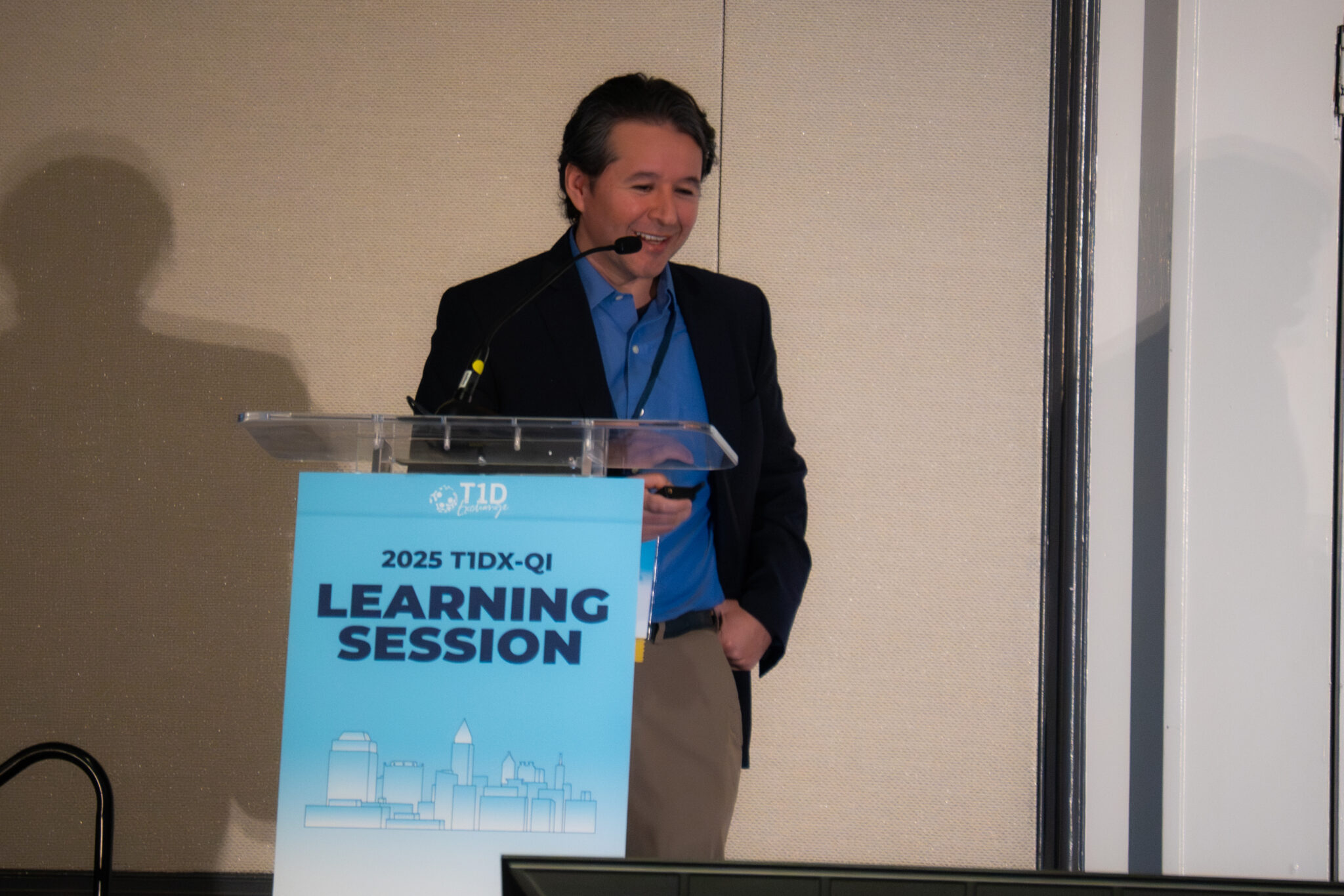
The Convergence Era in Diabetes: Therapies and Technologies Redefining T1D and T2D
Francisco J. Pasquel, MD, MPH, Associate Professor at Emory University School of Medicine, gave the T1DX-QI Learning Session keynote presentation, “The Convergence Era in Diabetes: Therapies and Technologies Redefining T1D and T2D,” which showed how the once-separate worlds of type 1 and type 2 diabetes are rapidly blending.
Medications like SGLT2 inhibitors and GLP-1–based therapies, originally developed for type 2 diabetes (T2D), are being explored in type 1 diabetes (T1D). These therapies show promising metabolic benefits, but they come with the risk of diabetes ketoacidosis (DKA) which makes careful monitoring and risk-reduction strategies essential.
At the same time, technologies such as continuous glucose monitors (CGMs) and automated insulin delivery (AID) are transforming care for both conditions—improving A1C, time in range, and outcomes.
Dr. Pasquel’s presentation also highlighted the importance of integrating mental health support, noting that collaborative care models significantly improve both psychological well-being and diabetes management.
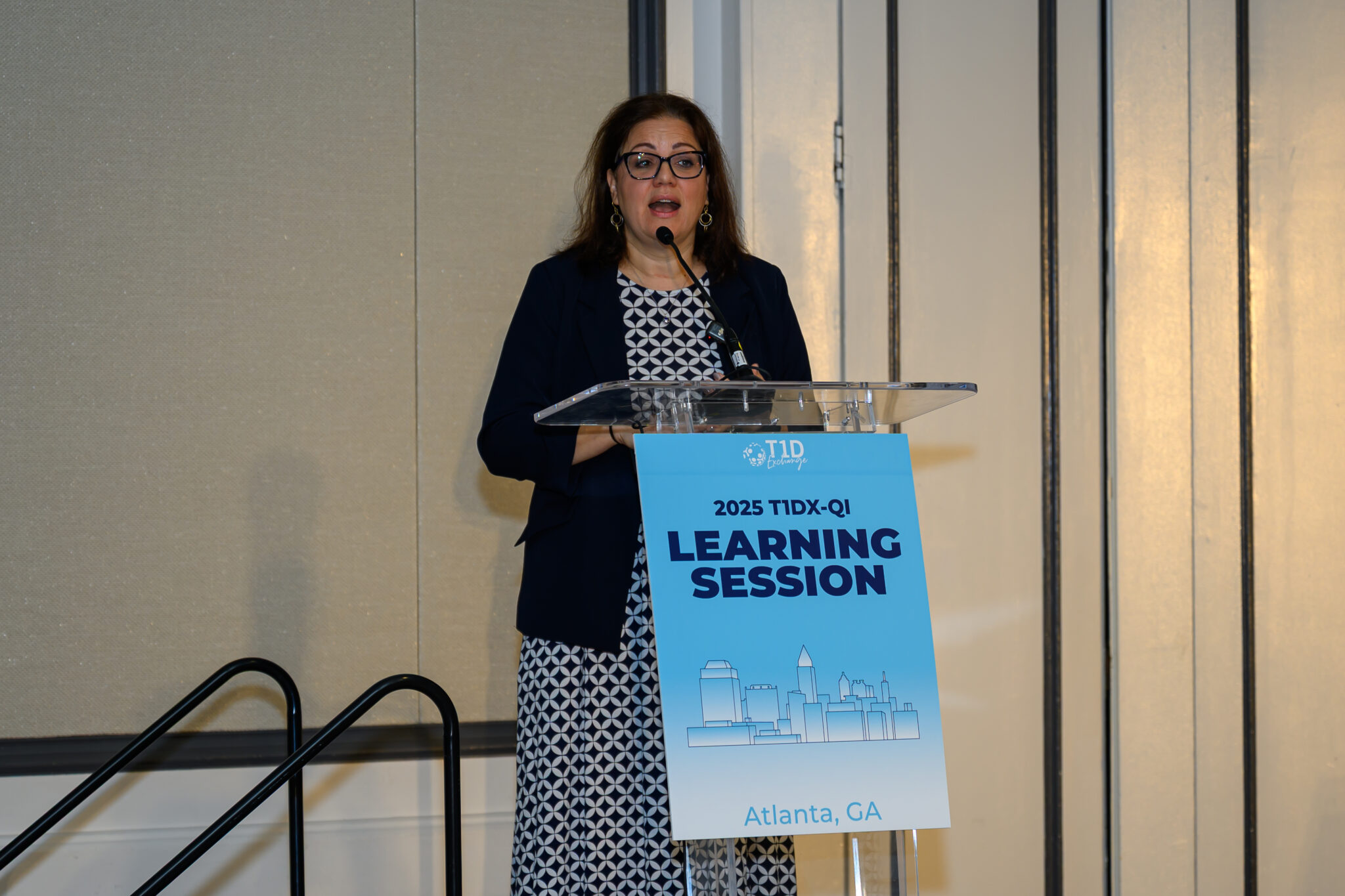
Hypoglycemia and Diabetes
Severe low blood glucose events are more common—and more disruptive—than many people realize. A presentation on hypoglycemia and diabetes given by Jennifer Sherr, MD, PhD, a pediatric endocrinologist at Yale University, highlighted the importance of care teams asking about these events and documenting them.
Nearly one in five adults with T1D experienced a severe low in the past year, but studies have shown that almost half of people don’t tell their clinicians.
Because many severe lows happen at home and are never documented in medical records, Dr. Sherr urged Learning Session attendees to initiate open conversations, clarify what “severe” really means, and encourage real-time reporting so that care plans and safety measures can be improved.
Automated Insulin Delivery Systems and Insulin Pumps
A Standardized, Interdisciplinary Approach to Accelerate Automated Insulin Delivery System (AID) Initiation in Adults with Diabetes
Researchers at Penn Medicine tested a streamlined, team-based approach to help adults with diabetes start AID systems faster. By standardizing education, paperwork, and follow-up, the clinic cut the median wait time from nearly two months to just over five weeks—a 40% improvement.
All insurance groups saw faster access. However, not all people benefited equally: White and “Other” race people with diabetes saw meaningful gains, while Black individuals with diabetes did not. The study shows that clearer, coordinated steps can speed up AID use, but further work is needed to ensure everyone has equitable access to this technology.
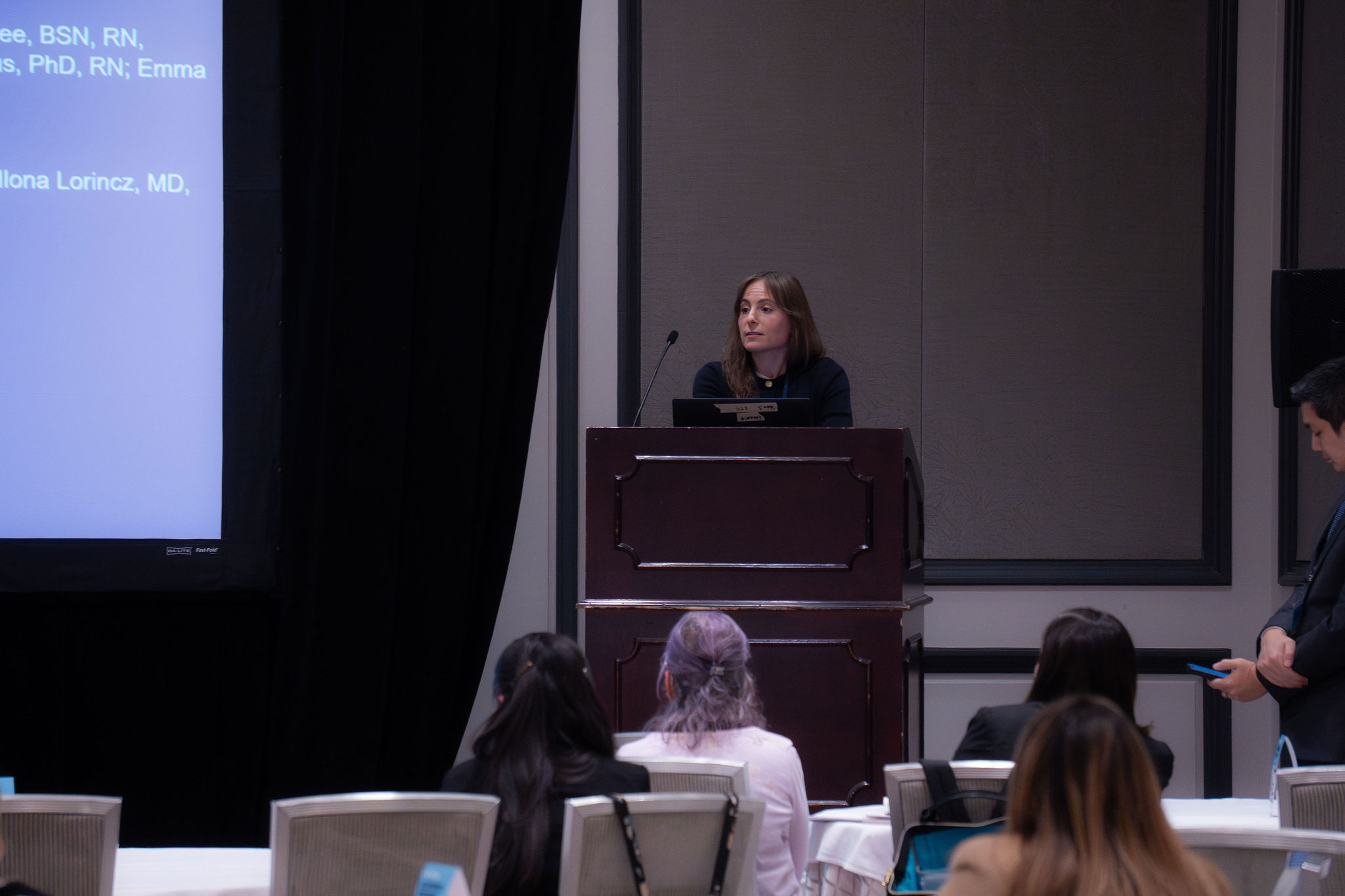
Streamlining AID Sick Day Protocols to Reduce Communication Load
As more people use AID systems, they often need help adjusting settings when they’re sick. Without clear, pump-specific guidance, many individuals reach out directly to their care team, resulting in delays and additional work. Researchers at Stanford Medicine surveyed diabetes specialists about how different AID systems should be managed during illness.
The respondents largely agreed on recommended adjustments for Tandem, Omnipod, and Medtronic pumps, but not for the iLet system. The findings suggest that providing clear, system-specific sick day instructions could alleviate provider burden, speed up care, and help people with diabetes manage glucose during illness more confidently.
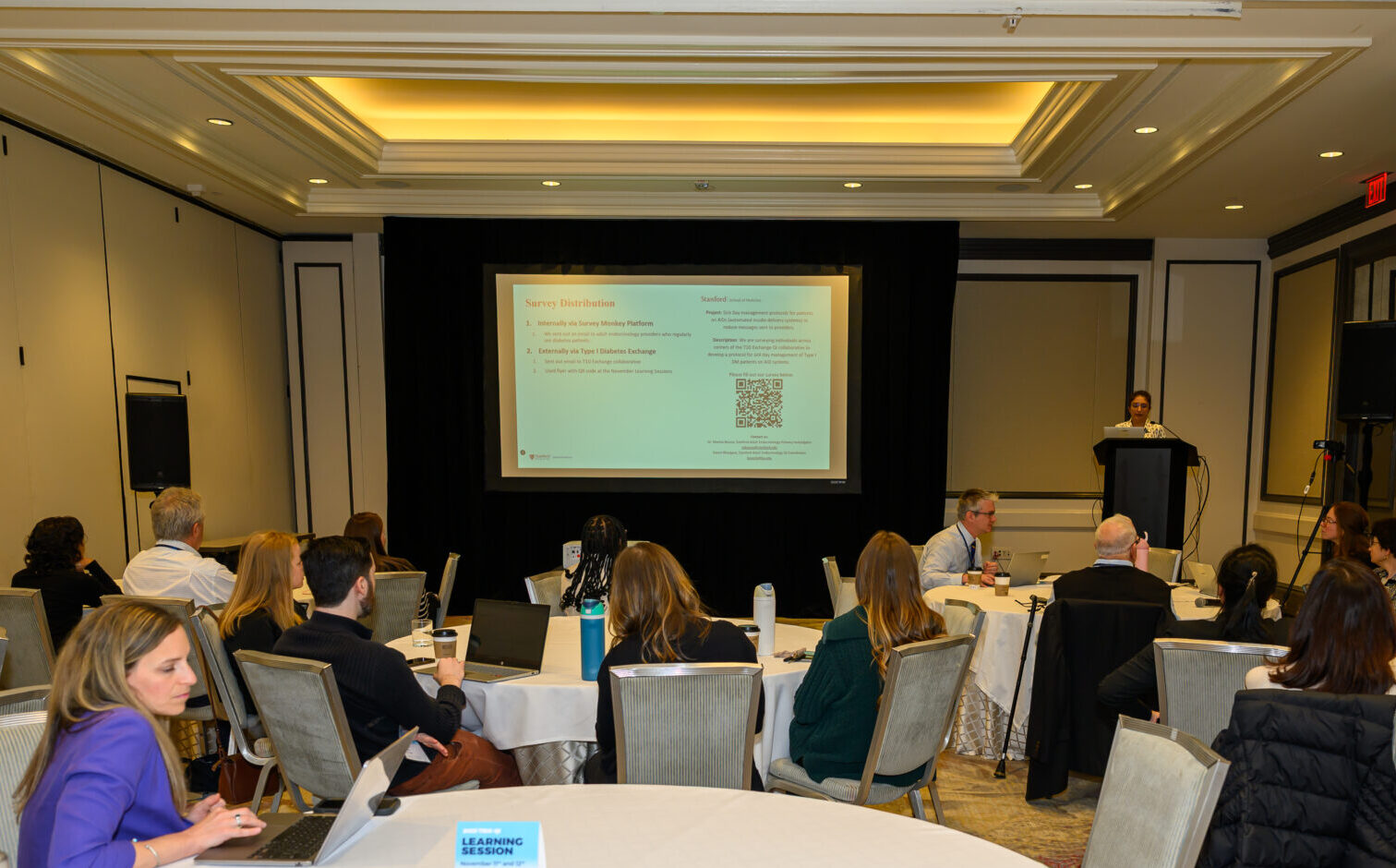
Having Your Back(up): Implementing Safety Nets for Insulin Pump Failures
Insulin pump failures can quickly lead to dangerous high blood glucose levels, so people with T1D need a clear backup plan in case their pump stops working. This study from the University of California, Davis looked at how often healthcare providers documented backup plans in their patients’ medical records and whether a standardized tool could help.
After educating providers and offering simple how-to guides, complete backup plans jumped from about 11% to more than 50%. The use of the standardized tool rose from 0% to nearly 28%. The results show that consistent, easily accessible backup plans improve safety and should be used for all pump users.
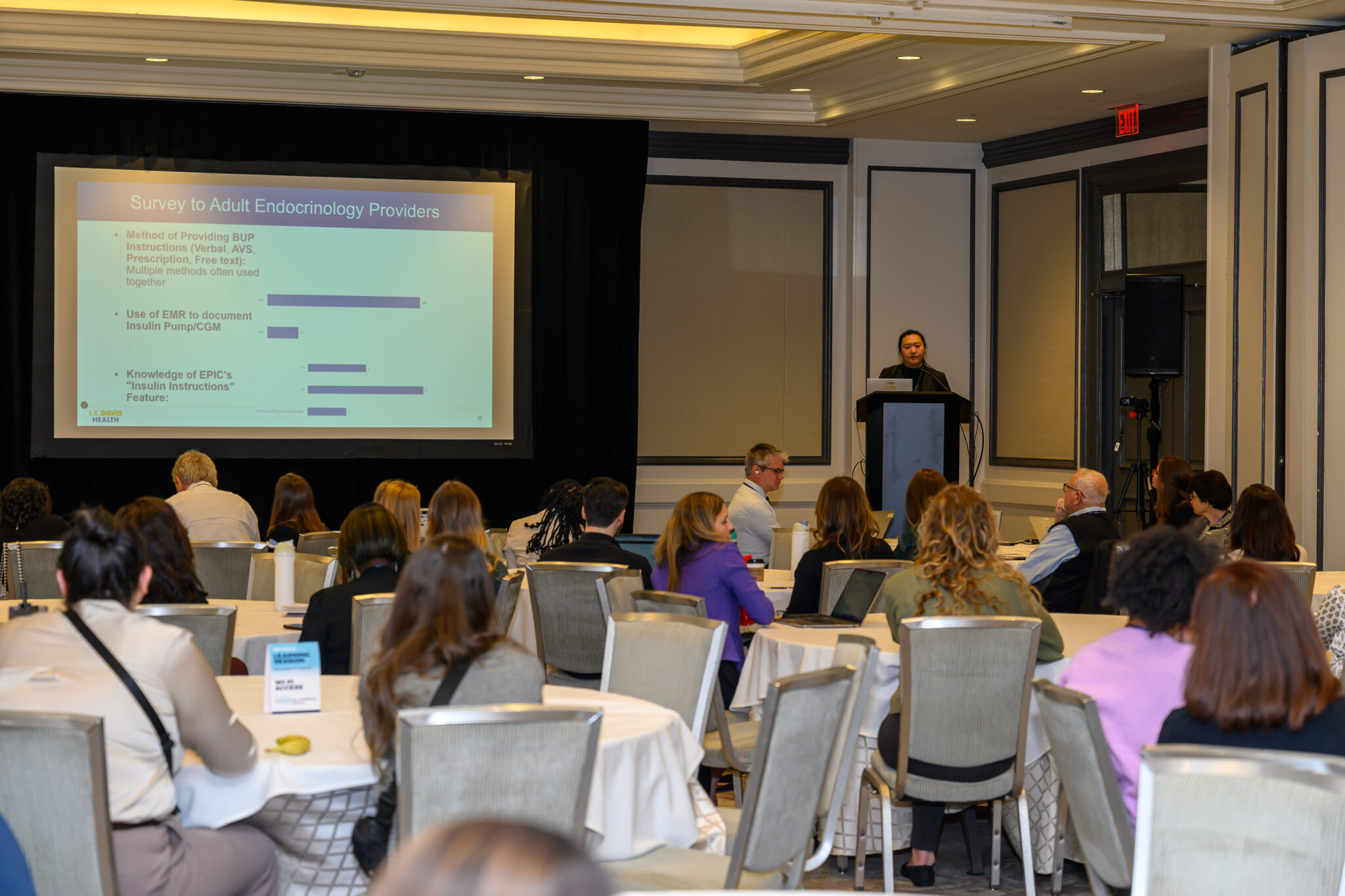
Holistic Care: Transitions, Access, Shared Decision-Making, and Psychological Support
Next Stop, Adult Care: Implementing A Transitions Roadmap for Youth with Diabetes
Transitioning from pediatric to adult diabetes care can be a lot for teens. To make this process smoother, the team at Baylor College of Medicine/Texas Children’s Hospital built a clear, step-by-step transition plan. This plan ensures that education, preparation, and documentation are consistent across the whole care team.
With new tools, training, and clearly defined roles in place, the share of older teens with a documented transition plan increased from 49% to 65%. The takeaway is that consistent, team-based preparation can help young people approach adult care with more confidence and support.
Health Equity and Social Determinants of Diabetes
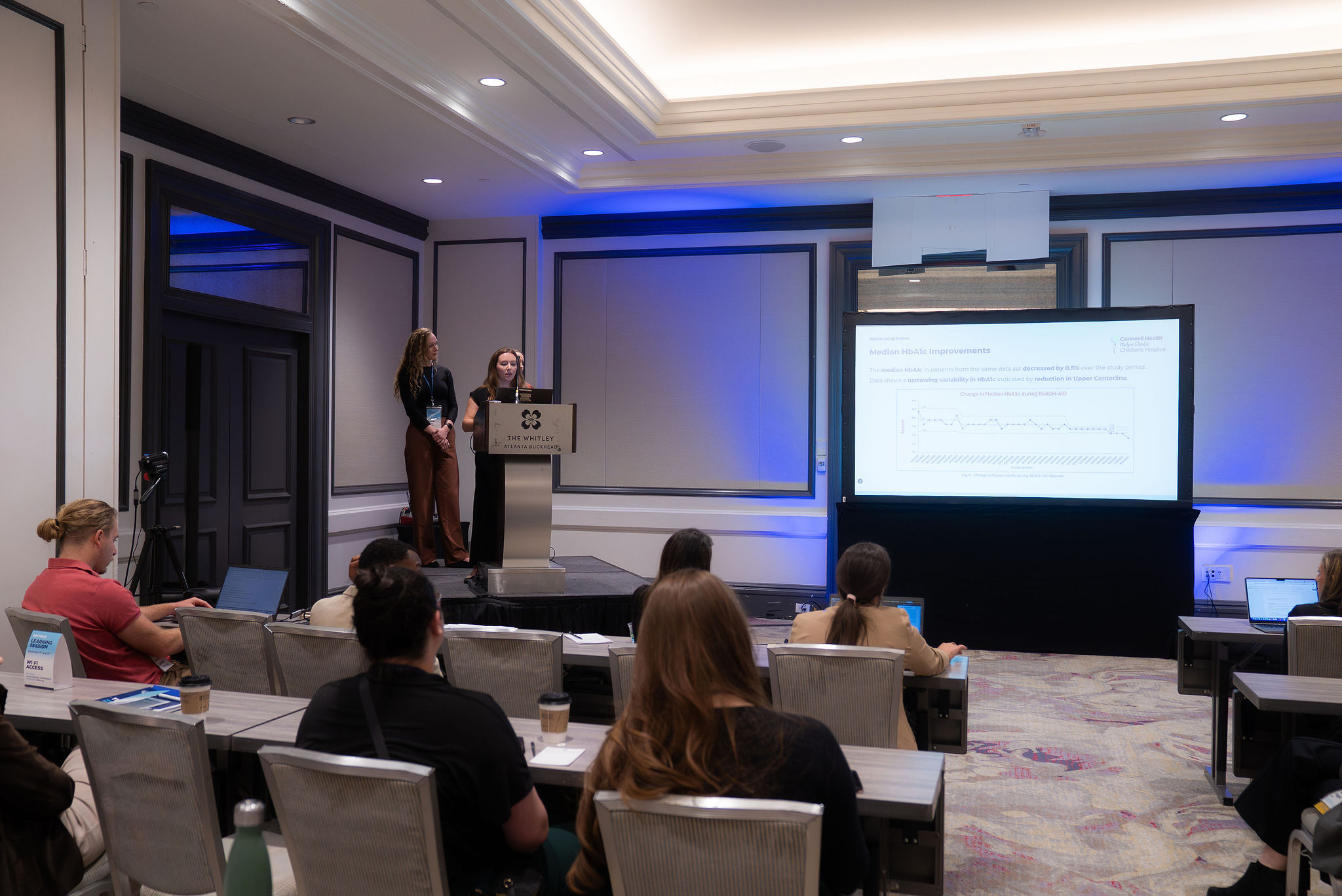
REACH-AID: Reducing Equity and Access Challenges to Harness Automated Insulin Delivery
To help more children benefit from AID systems, the team at Helen DeVos Children’s Hospital tackled insurance barriers, expanded device access, and streamlined education at diagnosis. They also shifted to an “opt-out” process, meaning that families were automatically evaluated for advanced technology rather than having to ask for it.
As a result, AID use jumped from 52% to 73%, with gains across both privately insured and Medicaid-insured families. The work demonstrates how effective advocacy, streamlined workflows, and early hands-on support can drive wider adoption of AID systems and help ensure families have equal access to the tools they need.
Bridging the Gap in CGM Disparities: Standardizing Early CGM Initiation in New-Onset Type 1 Diabetes
The team at Cook Children’s Medical Center standardized CGM education at the time of diagnosis and made CGM samples more accessible for educators. They also addressed provider biases identified in staff surveys.
After the intervention, overall CGM use increased, and gaps narrowed—especially between non-Hispanic white and Hispanic people with T1D. The work shows that early, consistent education and equitable workflows can help more families benefit from this essential technology.
Type 2 Diabetes
Assessing Health Literacy in Pediatric Type 2 Diabetes
Managing type 2 diabetes requires a strong understanding of the condition, yet many young people and their caregivers have gaps in key areas. Using a brief survey, the team at UPMC Children’s Hospital of Pittsburgh found that while most families felt confident, many misunderstood important concepts, such as the role of A1C, blood pressure, and nutrition. Some believed skipping meals could improve blood glucose levels.
These findings show the need for clearer, age-appropriate diabetes education to help teens and families make informed decisions and improve long-term health.
Advancing Equity and Outcomes: A QI Initiative to Increase CGM Use in Children with Type 2 Diabetes
This project looked into why kids with T2D use CGMs far less often than those with T1D. Initial data showed that only about 40% of youth with type 2 had a CGM, and many who didn’t pointed to insurance hurdles or simply not being interested.
To close that gap, the team at the University of Tennessee Health Science Center began offering sample devices and making prescriptions easier to start. Their findings highlight the importance of addressing cost, coverage, and basic access to increase the use of CGMs among young people with T2D.

Screening and Early Detection of Diabetes
Implementing an Early Screening Workflow for Stage 1 and Stage 2 Type 1 Diabetes in a Pediatric Endocrinology Clinic
Early screening can help identify T1D before severe symptoms develop. The team at Children’s National Hospital created a structured process to educate families, simplify lab ordering, and closely follow at-risk families.
Over the year, the clinic screened 36 children, and more than half met criteria for Stage 1 or Stage 2 T1D. Families received follow-up plans and, when eligible, the option of teplizumab to help slow progression. The project demonstrates that early, routine screening is feasible in a busy clinic and can give families a safer, earlier start to care.