
Your Voice Drives Change
When people living with type 1 diabetes share their experiences, those insights help shape research, improve care, and strengthen outcomes across the community.

Join the Registry
The T1D Exchange Registry makes it easy to share your perspectives through surveys and take part in research that expands what we know about living with type 1 diabetes.

Answer Question of the Day
Take part in a simple way to share what life with T1D looks like. Each question focuses on your everyday decisions, challenges, and experiences — turning everyday moments into meaningful insights.

Stay Connected
Sign up for updates to receive research insights, community stories, and invitations to new opportunities to participate in research surveys and clinical trials.

Latest Articles
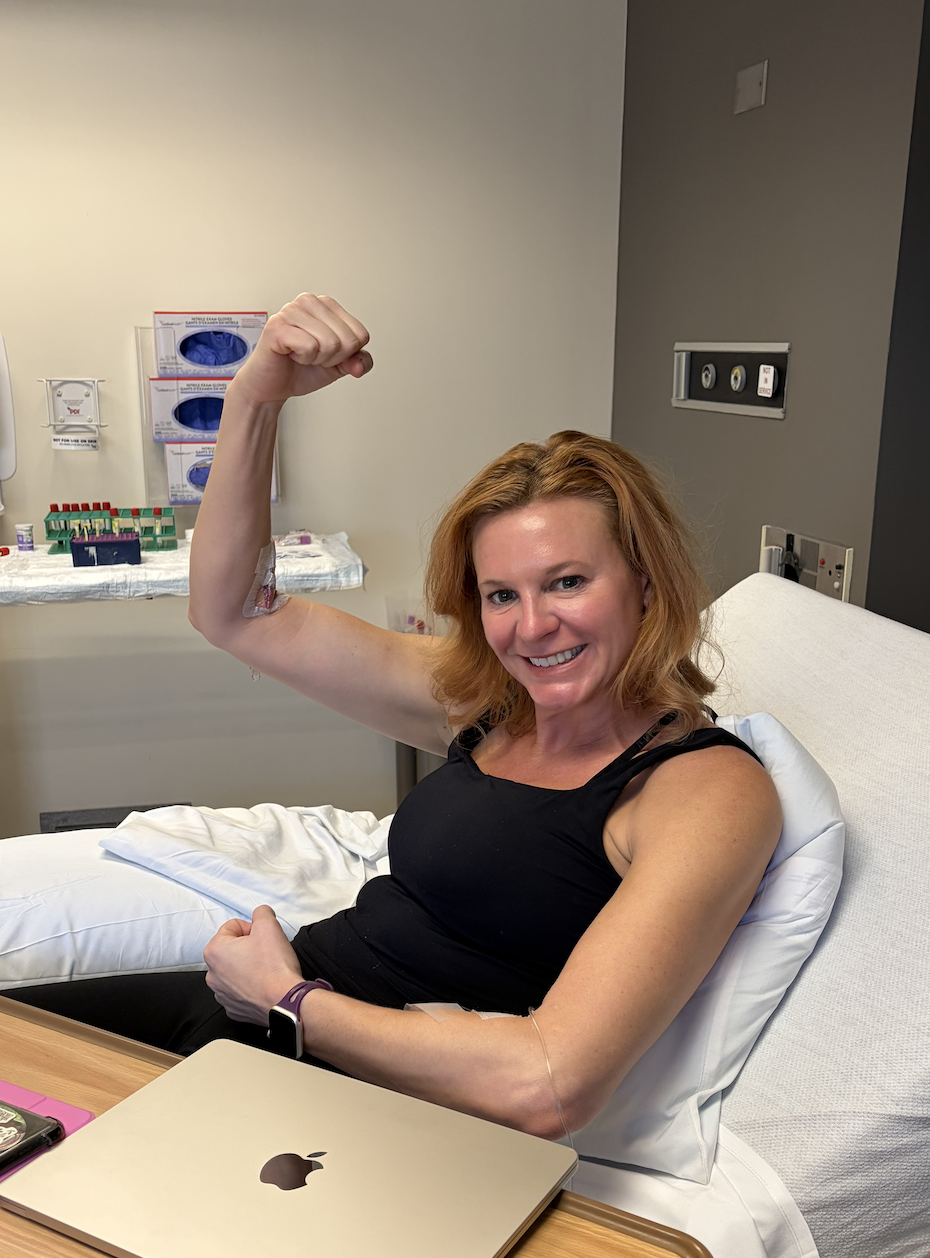
Inside the Eledon Islet Cell Transplant Trial: Katie Beth Hand’s Journey to Insulin Independence
On a Friday night, Katie Beth Hand was at Rock N Roll Sushi with a table full of 12-year-old girls when her phone rang.
Read more
T1D Exchange to Present New Research at the American Diabetes Association’s 86th Scientific Sessions
Findings from the T1D Exchange Quality Improvement Collaborative and Registry will be featured in oral presentations, posters, and symposium discussions throughout the meeting. Studies explore early-stage type 1 diabetes screening, diabetes technology adoption, health equity, care delivery, and real-world clinical practices. Findings reflect collaboration across leading endocrinology centers and researchers working to improve outcomes for people living with diabetes. T1D Exchange, a nonprofit organization dedicated to improving outcomes for people living with type 1 diabetes (T1D), announced that researchers from T1D Exchange and partner institutions will present new findings at the American Diabetes Association’s 86th Scientific Sessions, held June 5-8, 2026, in New Orleans, Louisiana. The presentations include research from the T1D Exchange Quality Improvement Collaborative (T1DX-QI) and online patient Registry, with studies focused on early-stage T1D screening and monitoring, diabetes technology use, health equity, healthcare transition practices, and care delivery across diabetes centers. “Our presentations at the 86th Scientific Sessions reflect the strength of collaborative, real-world research and the impact of shared learning across the diabetes community,” said David Walton, MBA, Chief Executive Officer of T1D Exchange. “By bringing together clinical data, implementation expertise, and lived experience, T1D Exchange and our partners continue to identify practical approaches that can improve care delivery and outcomes for people living with diabetes.” A symposium, Quality Improvement Initiatives at Scale: What Have We Learned? will feature insights from T1D Exchange CEO, David Walton, on Saturday, June 6, 3:15 - 4:15 p.m. CT in R07 (Level 2). Two additional oral presentations will cover the topic of early-stage T1D screening and monitoring at endocrinology centers participating in the T1DX-QI network: 1058-OR, Operationalizing Early-Stage Type 1 Diabetes Screening and Monitoring: A Pediatric Multicenter T1D Exchange Quality Improvement Initiative on Friday, June 5 at 2:15 p.m. CT in 245 (Level 2) 1305-OR: Emerging Type 1 Diabetes Screening and Intervention Programs: Insights from 63 Centers in the T1D Exchange Quality Improvement (T1DX-QI) Collaborative on Monday, June 8 at 2:30 p.m. CT in 217 (Level 2) Poster presentations during the meeting will cover a range of topics, including: Efforts to increase diabetes technology use among people living with T1D Approaches to improving equitable access to diabetes technology Workforce, transition-of-care, and billing trends across diabetes centers Experiences with menopause and perimenopause among people living with T1D Agreement between self-reported and laboratory-measured A1C among people living with T1D Use of glucagon-like peptide-1 (GLP-1) receptor agonists in youth-onset type 2 diabetes (T2D) care The T1DX-QI, a national network of endocrinology centers working together to improve diabetes care, includes more than 65 endocrinology centers across the U.S. that contribute de-identified electronic health record data and participate in shared quality improvement initiatives. Together, participating centers help create one of the most comprehensive real-world datasets focused on diabetes care and outcomes in the U.S. View the complete list of T1D Exchange presentations at the 86th Scientific Sessions. About T1D Exchange T1D Exchange is a nonprofit organization dedicated to improving outcomes for people with diabetes through real-world evidence and teamwork. By operating at the intersection of people, data, and research, T1D Exchange works with healthcare professionals, researchers, industry partners, and people living with diabetes to generate evidence that leads to better care, stronger research, and meaningful progress for the diabetes community.
Read more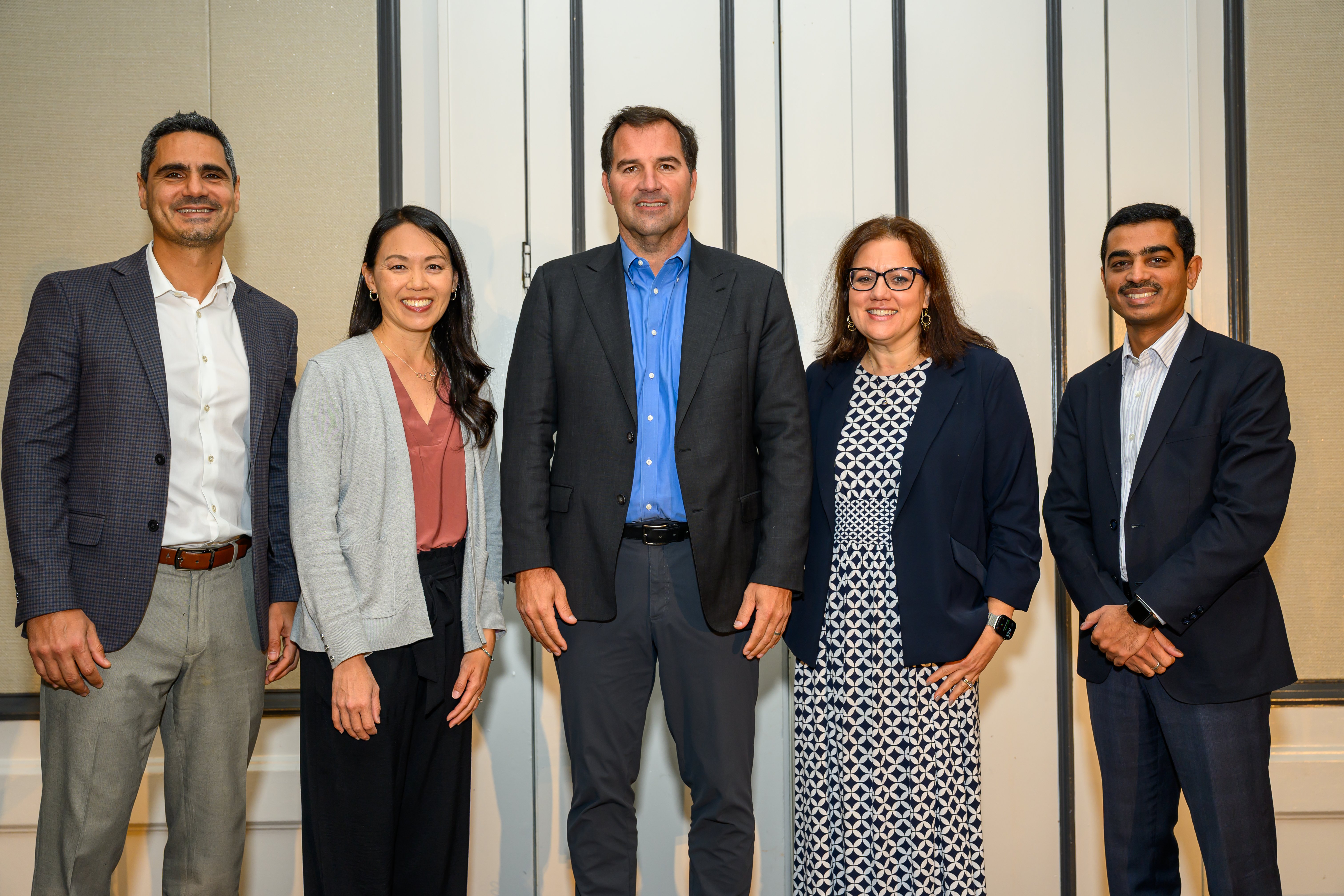
Meet the Experts Shaping the Future of T1D: Introducing the T1D Exchange Medical & Research Advisory Team
At T1D Exchange, we’re proud to announce our Medical and Research Advisory Team — an accomplished group of leaders in endocrinology, research, and quality improvement. Together, they are redefining what’s possible in type 1 diabetes (T1D) care through rigorous data analysis, innovative research approaches, and real-world implementation. Their collective expertise is central to our mission of improving outcomes for all people living with T1D.
Read more