
Your Voice Drives Change
When people living with type 1 diabetes share their experiences, those insights help shape research, improve care, and strengthen outcomes across the community.

Join the Registry
The T1D Exchange Registry makes it easy to share your perspectives through surveys and take part in research that expands what we know about living with type 1 diabetes.

Answer Question of the Day
Take part in a simple way to share what life with T1D looks like. Each question focuses on your everyday decisions, challenges, and experiences — turning everyday moments into meaningful insights.

Stay Connected
Sign up for updates to receive research insights, community stories, and invitations to new opportunities to participate in research surveys and clinical trials.

Latest Articles

Denied by Insurance? A Pharmacist Tells You How to Appeal
Have you ever gone to the pharmacy only to find out your insurance doesn’t cover a medication that’s been ordered for you? It can be an incredibly frustrating process. One way to prevent this is to contact your insurance plan first to see what prescription drugs are preferred.
Read more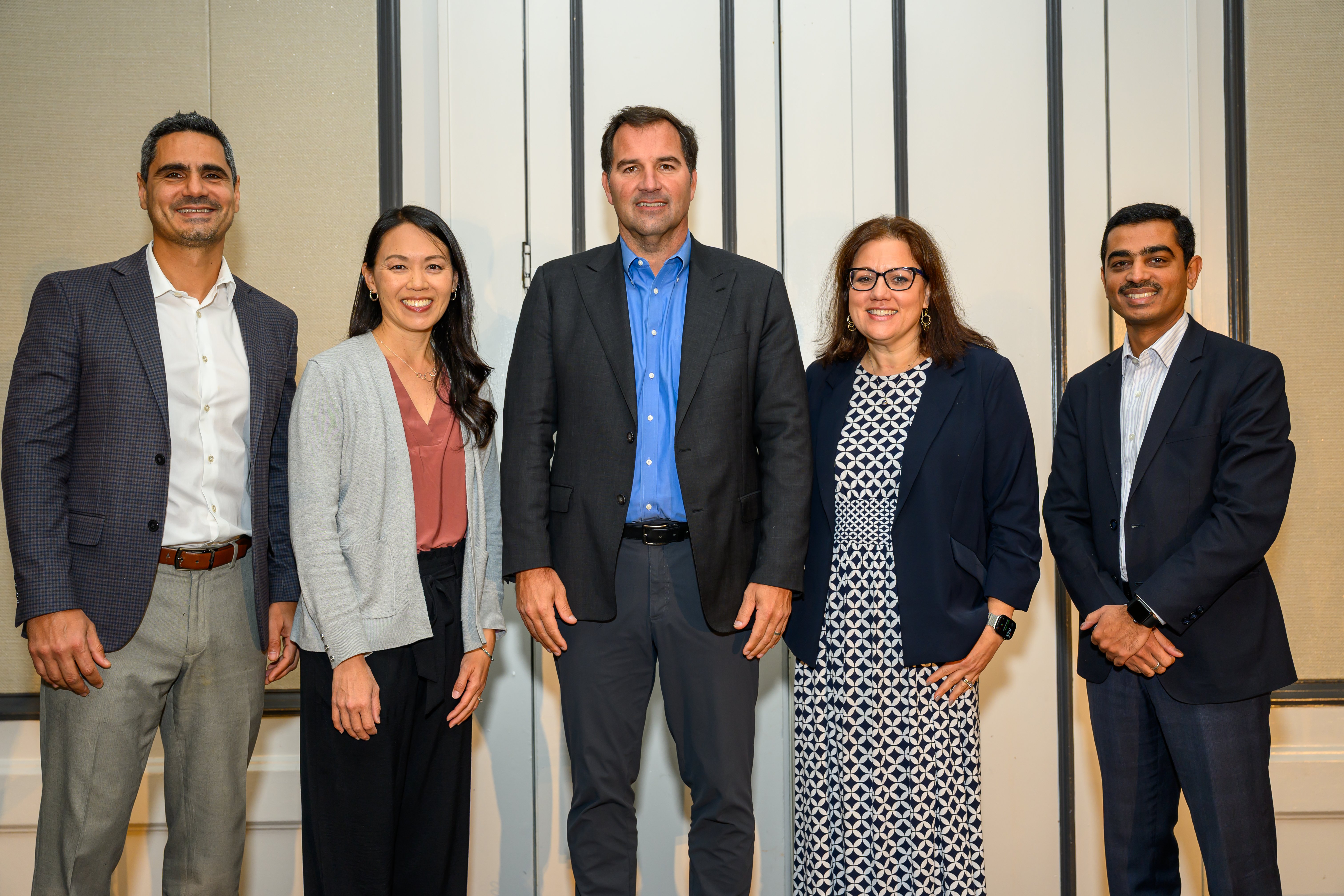
Meet the Experts Shaping the Future of T1D: Introducing the T1D Exchange Medical & Research Advisory Team
At T1D Exchange, we’re proud to announce our Medical and Research Advisory Team — an accomplished group of leaders in endocrinology, research, and quality improvement. Together, they are redefining what’s possible in type 1 diabetes (T1D) care through rigorous data analysis, innovative research approaches, and real-world implementation. Their collective expertise is central to our mission of improving outcomes for all people living with T1D.
Read more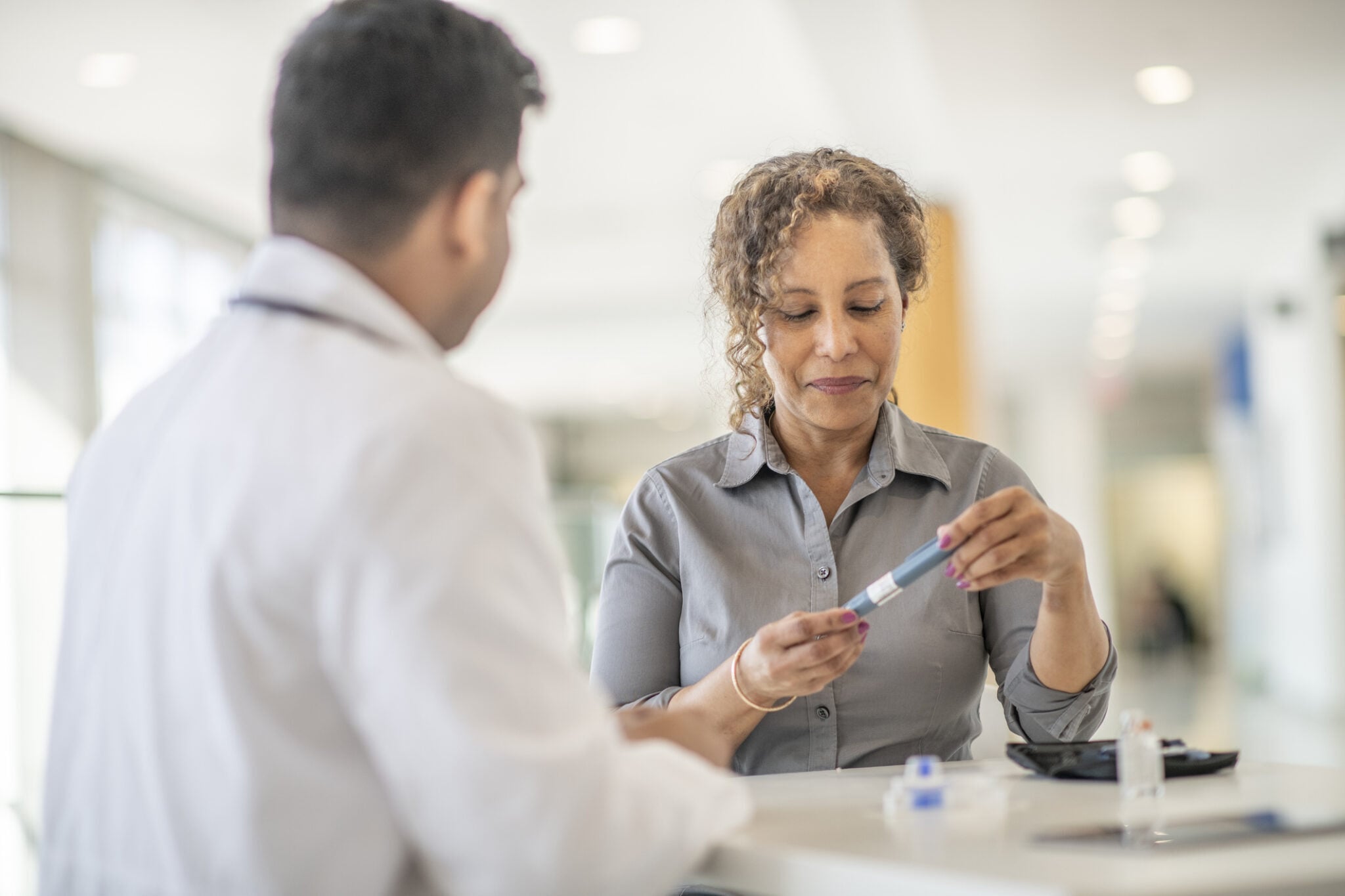
Meet the Expert: Improving Diabetes Care Through Precision Medicine
Viral Shah, MD, is a Professor of Medicine in the Division of Endocrinology and Metabolism and is the Director of Diabetes Clinical Research at the Center for Diabetes and Metabolic Diseases at Indiana University School of Medicine. Dr. Shah serves as Chair of the Diabetes Technology Interest Group at the American Diabetes Association, Editor-in-Chief for Clinical Diabetology, and an Editorial Board Member for Diabetes Care and the Journal of Diabetes Science and Technology.
Read more