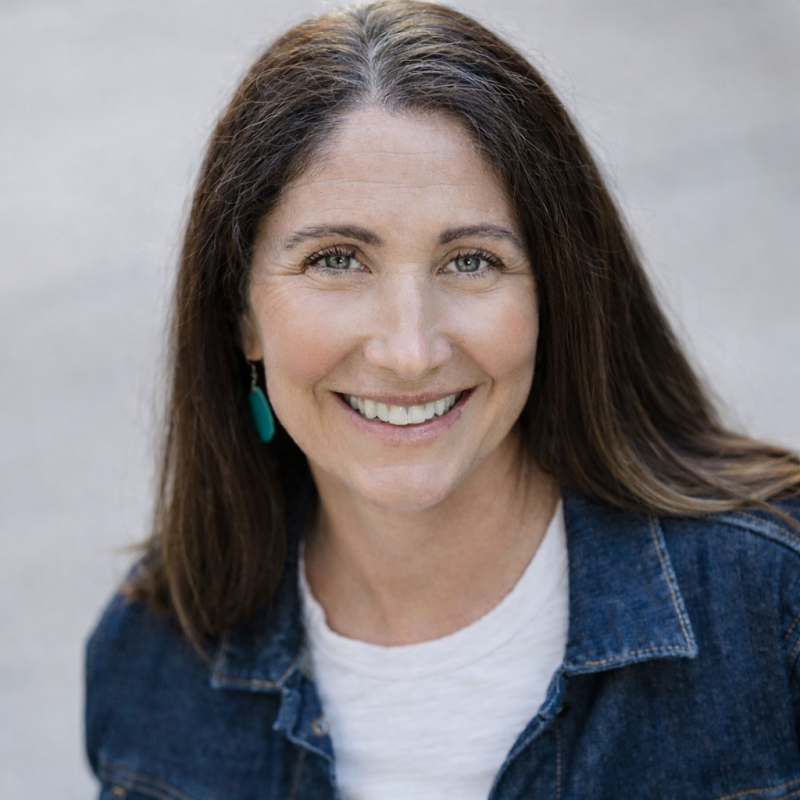
When Keiva Cheney, MPH, and founder of The Diamend Foundation, was diagnosed with type 1 diabetes (T1D) at age 22, her life changed overnight.
Just weeks after graduating with her associate degree, Cheney was rapidly losing weight and felt constantly exhausted. Searching for answers, she saw several providers who initially dismissed her symptoms.
“I knew something was wrong,” she said. “They kept checking my vitals and sending me home.” But after researching her symptoms herself, she insisted on lab work. Her persistence finally led to a diagnosis: type 1 diabetes.
What is Diamend, and what gap were you trying to fill when you founded it?
[Keiva Cheney] In 2019, I started Diamend as a lifestyle brand, and then in 2025, I established the Diamend Foundation, a nonprofit organization in Atlanta, Georgia. Our mission is to bridge gaps through community education, screenings, and wellness events, and to provide resources that help people with diabetes feel less isolated on their journey.
The name combines “diamond” with “mend” — representing the idea of mending life and health together. For me, community has become one of the most important parts of managing T1D.
One of Diamend's goals is to help others find their community, too. So, we focus on creating spaces where people can feel seen, heard, and understood. While based in Atlanta, The Diamend Foundation also collaborates with organizations in other cities, including Los Angeles, to expand its reach and impact.
I wanted people to know they could still live fully and didn’t have to become a completely different person because of diabetes. Despite what you’re going through, you don’t have to shift and change everything.
How has Diamend evolved, and why do you think it resonates in the diabetes community today?
I always say I wanted to create spaces that didn't exist — or that I just didn't know of — because I know I'm not the only one out here doing this work, but I was searching for it. So all the things I felt like I wanted and needed, I just felt like, let me try to create them, and they'll come to me. That's how we started building our community.
But essentially, it was rooted in feeling alone. You know, you have the support from your family, your friends, everyone around you, but until you meet someone who is living with this disease and going through similar experiences, it's a shift.
Something different happens when you meet and find your people. So that was the whole idea.
What’s been the most rewarding moment?
What I thought was going to tear me apart — and tear me down — has truly uplifted me.
I wasn’t sure if I’d be able to have a healthy pregnancy, so not only having one, but also having a beautiful experience, has been my most rewarding moment.
My daughter is only two, but she's not your average two-year-old. She’s so engaged when it comes to my diabetes. She knows what my pump and CGM are — and she tells people about my diabetes and understands it already at a young age.
Just being with “my little mini-me and my person” reminds me I'm doing the right thing.
How did being diagnosed with T1D at age 22 reshape your identity and direction?
I was set to start as a computer science major at Georgia State a few weeks after my diagnosis. But with T1D, of course, it kind of blew up everything. So, I had to take that summer quarter off and start back the next semester.
And during that time, you know, I went through my emotions and just felt lost. I ended up completely switching my major to public health, and when I got my master's, everything was literally type 1 diabetes related.
How important is representation in the diabetes space, especially for communities that are often underrepresented?
I’m a part of one of those communities that are often overlooked and underrepresented.
It is extremely important to use my voice, my platform, and to just show up in that space — so people know anything is possible. If I can do it, you can do it too.
There are no limitations to what you truly can do or the power you have just by using your voice. My voice stems from some of the things that I went through.
I was 140 pounds when this whole saga started. And by the time I was diagnosed, I was 112 pounds. So I think that, in itself, speaks volumes about being ignored, dismissed, and not feeling heard — even as an adult genuinely advocating for myself.
It wasn't until I started researching myself — maybe a week before I was actually diagnosed. And my dad said, "I watched you go to the bathroom 10 times in a two-hour span."
I vividly remember getting online, typing in my symptoms. And then the first bullet point I saw said “uncontrolled diabetes.” I'll never forget it to this day. It was like big, bold, and black and 100-point size text when I felt like I saw it, but I was like, “It can't be.”
So, I scheduled an appointment and was told, “It’s common for people to experience anxiety and depression during this time of their life.” I said, “Ma'am, I just graduated, and I have a pretty upbeat personality. There are people who are really dealing with this out here, but I promise you it’s not me.”
She provided me with a mental health counselor and some mouthwash for thrush because I had it everywhere. Then I asked, “Can we please just do some labs?”
Sure enough, my fasting blood work came back, and my blood sugar was 400!
I just remember them calling me at work, and I felt like the whole room was spinning, and I almost collapsed, because I was like, “So I don't have anxiety?”
The bias in healthcare is real. “Uncognitive bias” is what I like to call it. And you know what's even crazier? After that, when I went in the first time, they gave me metformin. They didn’t even draw labs to confirm whether I had antibodies.
I love my endocrinologist so much, and she’s restored my trust. We've been together for eight years, and I’d follow her wherever she may go — I’d drive to Canada for her.
My A1C went from 14 to 7.9 in those first three months. So that goes to show — that’s what happens when you’re with the right people who really have your back.
Why does what you say to yourself every day matter?
There’s power in your tongue. What you put out in the universe is what you’ll get back. So I believe that if I say these things that are positive, uplifting, and encouraging, that's what I'm going to get back.
Anybody can tell you that, but it's really hard work. I always tell myself, “I have diabetes — diabetes doesn't have me.”
That's something I've told myself for the last eight years, “I'm the captain of this ship. I'm controlling this journey.” When I do have those moments, because I'm human and there are so many factors that impact blood sugar — whether it’s pregnancy, periods, hormones, relationships, school, work, or you know, the stresses of life.
Just finding a way to navigate that and bring myself back to center is what I call “a reset.”
I tell myself, “You can do this. Nothing is impossible.” So just constant encouragement, self-talk, and uplifting myself is so important, because I know that if we get too low, it's hard to come out.
What’s one word that describes your relationship with diabetes today?
Perseverance.
What’s one habit that changed your life with T1D?
Trusting my devices. Right now, I’m on a Tandem pump and Dexcom G7.
Do you have a T1D mantra or grounding phrases that help you manage a challenging day with T1D?
Yes, I don't know if it's appropriate, but I sing “Girl, you doin’ a good job.”
I have a video on my page of me singing it. It was like, when I get down and out, this is what I sing. “You doin’ a good job.” And I'll just sing it with a quick pen as my microphone.
Whatever it is, you have to empower yourself. Sing your way through it, cry your way through it — do what you need to do.
You’ve described T1D as a “blessing in disguise.” What did you mean by that, and how long did it take you to feel that way?
It's a blessing in disguise, because I think it was my testimony, and you can't have a testimony without a test. So just understanding what I once thought would destroy my life — what I thought at the time I was diagnosed — I was like, “It's over, I'm going to die.” You know, all these negative thoughts.
And just seeing how it has literally transformed my life to this day — even being here talking to you is only because of diabetes. So just seeing the fine print and knowing there's always something good. When I say it's a blessing in disguise, it's that I’ve used something that could have torn me down and torn me apart to not only build me up, but to uplift others.
How do you maintain your zen with all the beeps and daily interruptions of T1D tech?
Sometimes I unplug, which may not be the best thing to do, or I'll just go for a bike ride.
I like to ride my bike. I always bring my daughter along, and we just ride around the neighborhood. That's been our thing, and it's so peaceful for me. I just love being outdoors.
If I don't unplug, I silence my CGM or turn it down. I'll make sure I treat myself to know that I'm good, but I'm going to take this time to myself.
Where do you see yourself in the next 5-10 years?
Everything I'm doing now, I would like to do on a larger scale or with a bigger impact.
On my vision board is a Diamend Foundation conference and a mobile health screening truck, so we can bring everything needed into communities. I’d also like to continue being an ambassador on larger platforms, beyond my own, and keep using my voice to uplift and inspire people.
Follow Keiva!
Website: thediamend.com
Instagram: @keivacheney
Facebook: facebook.com/officialdiamend
YouTube: youtube.com/diamend
TikTok: @officialdiamend