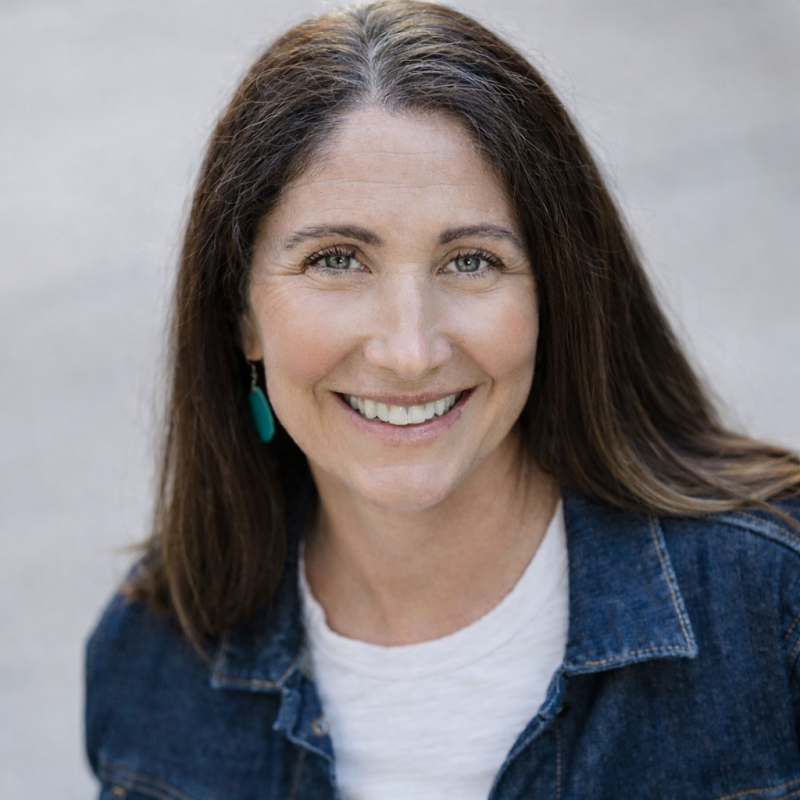
Before founding Diabetes Strong in 2015, Christel Oerum hadn’t talked openly about type 1 diabetes (T1D) for 18 years, quietly managing it on her own.
“Type 1 diabetes was something I kept very private,” said Oerum. “Basically, up until then, I hadn’t really been very vocal about it.” But that changed when she began pursuing intense fitness training and realized how little practical information existed for people balancing exercise and T1D.
“On my fitness journey, I found how hard being extremely active with insulin-dependent diabetes can be — in the sense of highs and lows from exercise and how different types of training can impact you,” she said.
What began as a personal blog documenting her experiences eventually evolved into Diabetes Strong, a broader platform designed to help others feel less alone in their T1D journey.
Oerum credits her husband, Tobias, with helping her recognize the need for Diabetes Strong as a community resource.
“He said, ‘If you're struggling with finding the right information, other people are, too,’” recalled Oerum. “That’s how the whole idea of creating a platform of information for people living with diabetes got started.”
What’s surprised you most about connecting with others through Diabetes Strong?
[Christel Oerum]: While opening up online about diabetes was initially uncomfortable, over time, I’ve found that meaningful connections often come from sharing ordinary moments.
Conversations about exercise and unexpected low blood sugar — while vacuuming, for example — resonate deeply with others, and small everyday experiences became the foundation of our community.
How has diabetes technology changed the conversations people are having?
It seems like there are two camps of people. Those who are like, “Insulin pumps are the only way,” and others who are like, “I would never use an insulin pump.”
I'm a believer in finding what's best for you.
A large portion of our followers aren’t interested in using an insulin pump, and because I use insulin pens, I talk a lot about my experience using them.
Regardless of what type of insulin delivery someone uses, there’s also a big focus on CGMs in many conversations — from access and affordability to sensor placement and accuracy.
One of the most popular Diabetes Strong videos is about where you can place your CGM. Again, it’s one of those things that’s really down-to-earth and practical that people with type 1 diabetes deal with every day.
Have you ever tried an insulin pump?
Yes, it’s funny you ask, because I recently tried Omnipod for two months, and while I liked a lot of things about it, when I took it off, it felt amazing, and I don’t think I’ll put it back on any time soon.
I can only describe it as a sense of freedom when I took it off — I think being on a pump just isn’t for me.
While I really liked how it let me sleep through the night and my time in range was beautiful, the pump set my target glucose goal higher than I prefer. The algorithm manages with an iron fist, meaning it was impossible for me to have my glucose in the range it normally is when I’m on injections. This left me feeling like I wanted more control over the system than it was allowing me to have.
Christel shares more about her experience switching from pens to a pump here.
What would you like other people to know about Diabetes Strong?
One of the things that's been really important to me is creating a platform with free information for people. Diabetes Strong has always been free, and it will remain free.
We also have a robust Facebook following, and a lot of our traffic comes through there. While it’s not a manicured page or a moderated group, there is a lot of peer-to-peer activity.
Have automated insulin delivery systems changed the conversation around food?
That’s a good question. I do think it makes people feel less restricted, which is absolutely amazing. As I see it, the goal should be, while we wait for a cure, to have as unrestricted lives as possible.
I think what can help us, as people living with type 1, is understanding how insulin works and knowing why blood sugars react the way they do when we do certain things.
When this is layered with technology, it helps us live our lives, and the first step towards that was definitely continuous glucose monitoring. I’m so glad CGMs have gotten better over the years in terms of accuracy and insertion.
Why is diabetes research participation important to you?
I think research toward a cure is great, but research to support a good quality of life while we wait for a cure is really important, too. Research on CGM use is important to me because I think it’s a brilliant tool.
I participate in studies whenever I can. If people with diabetes don’t have a say, we’re less likely to get anything back that’s helpful. When you participate in research, you can learn about new things that are coming out and even have early access to them.
Having a voice is really important, and connecting other people to where they can go through Diabetes Strong is important, because people often don’t know where that is.
People get really excited when they have the option to weigh in on different things and share their stories and experiences. It’s such an easy thing to participate in.
What are people looking for in online T1D communities?
A lot of the real community building is in everyday experiences. We’ve found that small conversations, anchored in common T1D experiences, can be very, very powerful.
Meaningful connection isn’t built around perfection or the extraordinary accomplishments of athletes or famous people. The strongest sense of community often comes from sharing the ordinary realities of life with type 1.
For many people, simply recognizing themselves in someone else’s story can make a lasting difference. I think that’s why a lot of real community building happens in the everyday experience.
➡️ To learn more about Christel and Diabetes Strong, head to her website now!