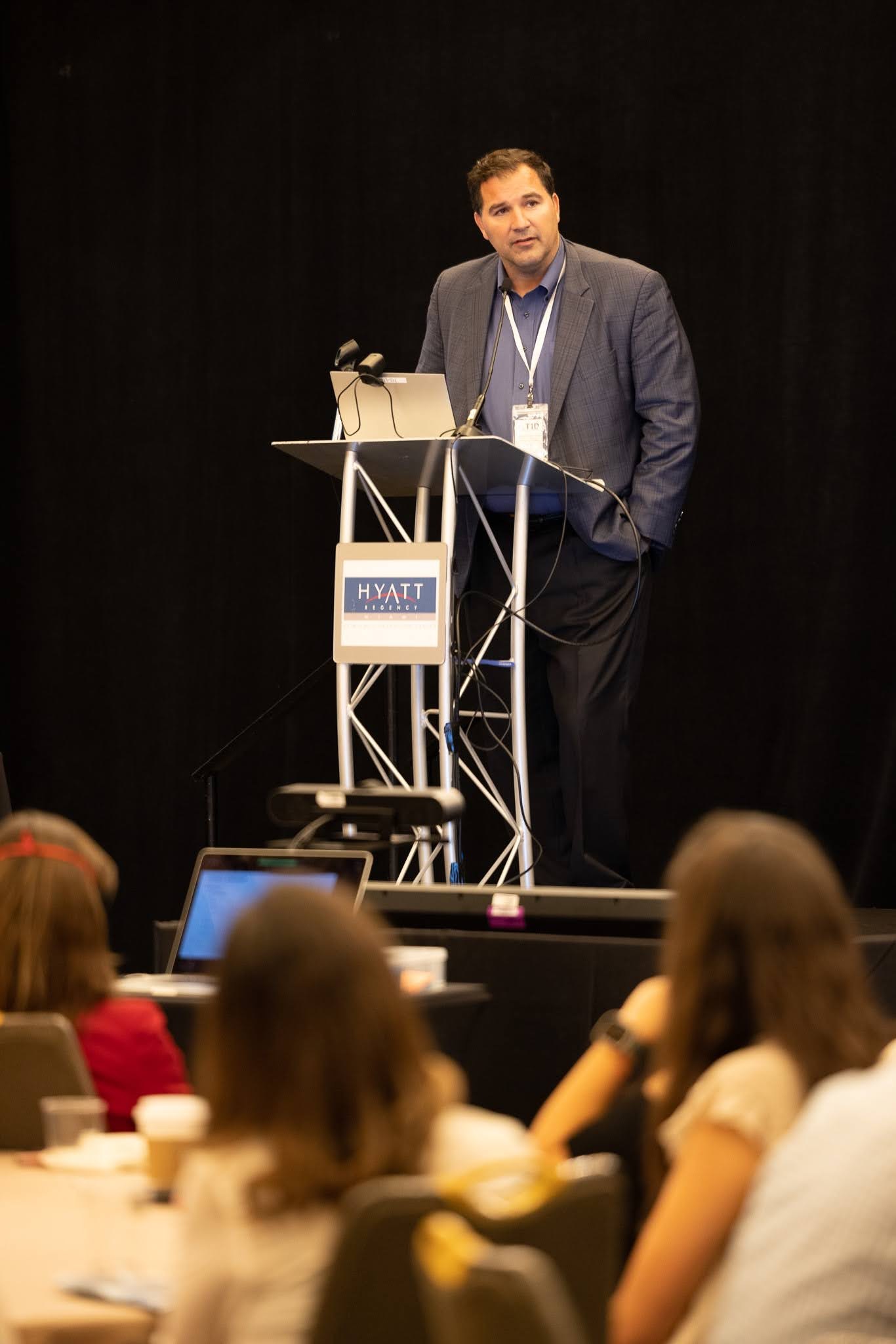
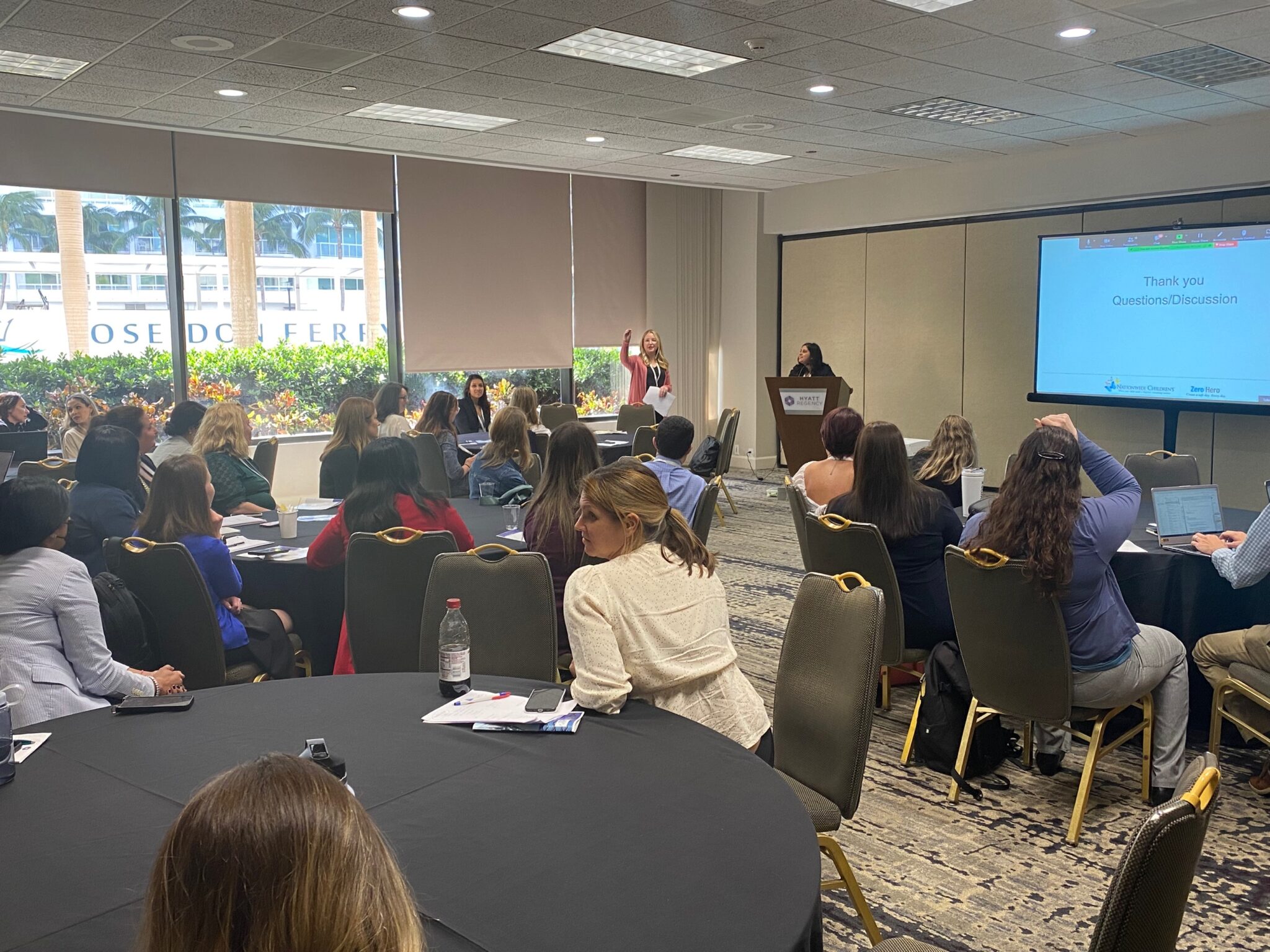
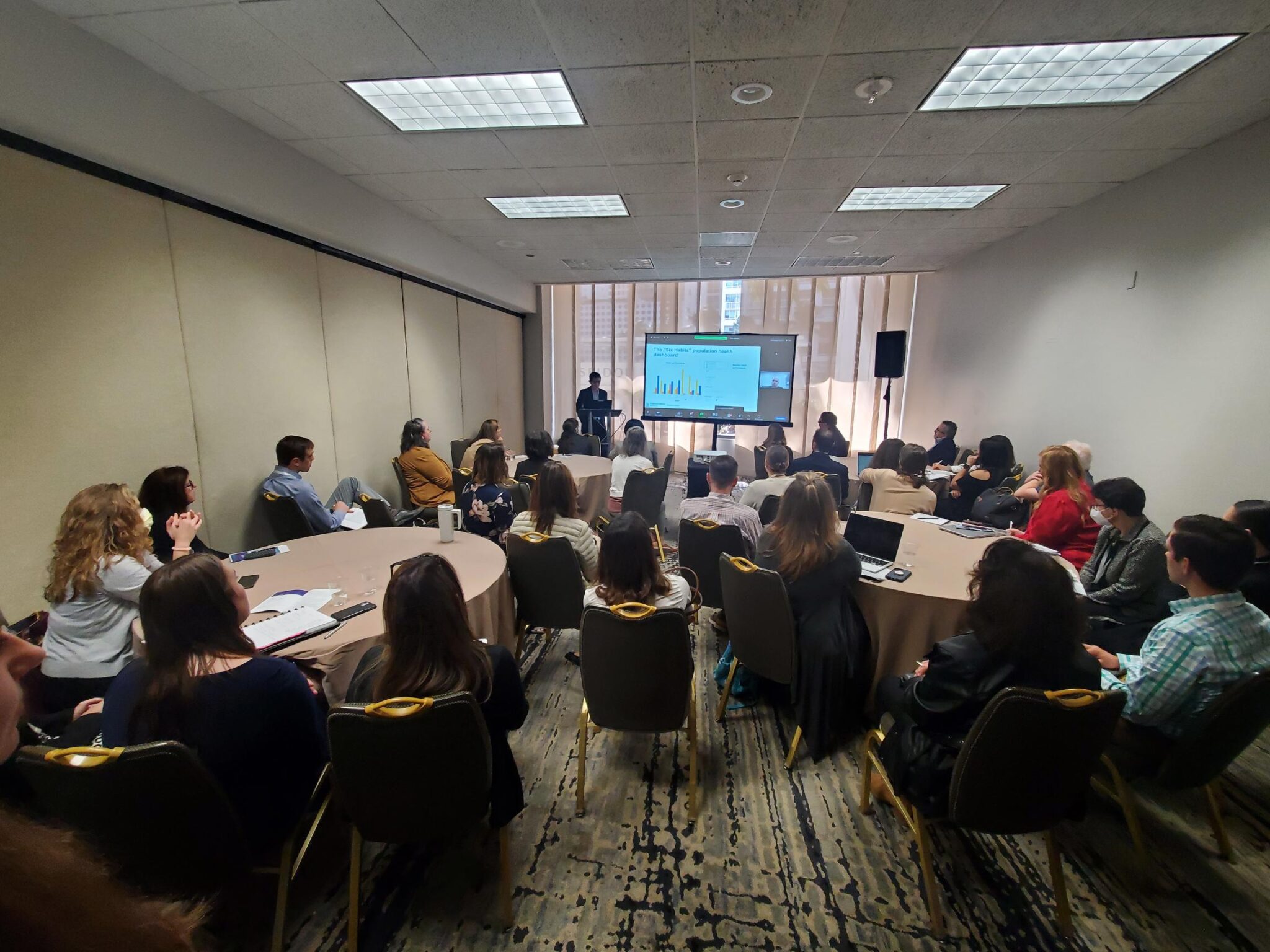
The T1D Exchange Quality Improvement Collaborative (T1DX-QI) Learning Session event 2022 takes place in Miami, FL, on November 7 and 8 — “T1DX-QI 52 Centers Strong: Implementation and Advocacy for Change.”
The T1DX-QI has grown from just over a dozen participating clinics in 2019 to 52 participating clinics in 2022, serving over 80,000 patients across the U.S. The newest centers to join the T1DX-QI include Billings Clinic, UPMC, Oregon Health and Science University, Cleveland Clinic, and UC Davis.
Members from participating endocrinology clinics across the country come together to share insights on improving the care provided to people with diabetes — with the goal of improving quality of life and overall health.
Read Day 2 Session Highlights!
What is the T1DX-QI trying to accomplish? Osagie Ebekozien, MD, MPH points to the following questions that should influence every part of this work:
Since its creation, the T1DX-QI has accomplished a variety of impactful work, including:
In just a few years, this program has grown immensely and is proving its ability to impact patient care and health outcomes for people with T1D.
“We are very thankful for the continued support of the Helmsley Charitable Trust, our other partners, and the practitioners putting their hearts into improving diabetes care,” explained David Walton, CEO, MBA.
Learn more about our work in the T1DX-QI, our self-reporting patient Registry, custom research, the Online Community, and extensive study recruitment.
Here are highlights from presentations throughout Day 1 — review the full agenda here.
Presenter: Priyanka Mathias, MD
Albert Einstein College of Medicine and Montefiore Medical Center
Young adults are the fastest growing population with T1D, explains this research. This population also has the lowest rate of using diabetes technology despite the benefits. Compared to other age groups with T1D, young adults have:
Despite adjusting for social and economic factors, the disparities in technology use in the young adult population are significant. This research established a goal of examining technology use in patients aged 18 to 35 years old from January 2019 to December 2021.
Participant ethnicities were:
This research focused on addressing those disparities using the SEAD model of care:
Overall, using the SEAD model of care significantly increased CGM usage rates in young adults with T1D:
This research concluded that it’s very possible to increase CGM usage in the young adult population but requires a more intentional effort.
Presenter: Blake Adams, BSN, RN
LeBonheur Children’s Hospital and University of Tennessee Health Science Center
This research set forth the goal of reducing inequities in CGM use between white and non-Hispanic black patients from 35% to at least 45% by June 2022 and reducing the use difference by at least 10%.
Results were significant, with an increase in the clinic’s overall CGM usage from 35% to 70%.
Presenter: Craig Vandervelden, PhD
Children’s Mercy Hospital
With the goal of improving a patient’s immediate and long-term health, this research proposes the development of a population-health management dashboard focused on critical daily self-management habits. Using the six key habits identified in published work by Joyce Lee, MD, MPH, this research aimed to improve outcomes, increase time-in-range (TIR), and reduce the amount of time a provider must spend with each patient.
Six Habits that improve health outcomes in diabetes
This population health management tool will use these six key habits to help providers assess and incorporate new self-management behaviors. These habits also aim to reduce a patient’s risk of DKA and decrease HbA1c levels.
Based on a patient’s current habits in diabetes self-management, providers can propose new habits with the addition of habits 7 and 8 when ready.
Habits are based on the known 7 pillars of diabetes self-care:
Further development of this dashboard will consider features that incorporate device data and electronic health data, and ensure every process is easily reusable from one patient to the next.
Presenter: Caitlin S. Kelly, PhD
T1D Exchange Quality Improvement Collaborative
Research focused on various measured factors in a group of 9,027 participants from the T1D Exchange Registry. Measured factors included:
Findings from the collected data revealed:
The data also suggested that resources available within any given county may play a significant role in the overall health outcomes for adults with T1D. This highlights a need for further investigation into which community resources (or lack thereof) contribute most to HbA1c levels.
Presenter: Christy Byer-Mendoza, MSN, RN, CPN, CNS
Rady Children’s Hospital and University of California, San Diego School of Medicine
This research emphasized the significant disparities in which populations have access to continuous glucose monitor technology despite the measurable impact it has on health outcomes in type 1 diabetes.
The clinic’s goal was to increase the percentage of children and adolescents with T1D wearing a CGM from 64% to 80% between February 2021 and February 2022.
Children with public insurance have the lowest rates of CGM use. Within the patient cohort of 116 pediatric patients on Medicaid, 83% were prescribed a CGM but only 46% were able to obtain and wear the device.
Presenter: Nana-Hawa Yayah Jones, MD
Cincinnati Children’s Hospital
This research identified significant health inequities related largely to SDOH. Compared to the white population, significant findings about the Black T1D youth population include:
Screening questions address issues concerning:
By gathering this data, clinicians can address and support these significant concerns that inevitably impact diabetes care and overall wellness.
As of September 2022, over 5,400 screenings have been completed. SDOH screening in T1D population can be readily adapted to screen other pediatric chronic disease populations in large tertiary care centers, magnifying its impact on healthcare outcomes.
Presenter: Denne Mohandas, BA
Standford Medicine
This research focused on improving the screening process for adults with T1D within clinics consisting of 1,600 to 1,700 patients and 35 to 45 newly diagnosed patients per year. T1D is known to increase rates of depression and other psychosocial challenges.
Prior to this research, the Stanford Adult Endocrine Clinic had no established system for routine mental health screening in patients with T1D. The goal of this research was to increase screening to at least 50% of patients.
Key issues contributing to lack of screening:
Proposed tactics to increase depression screening:
For successful implementation, the findings conclude the following is necessary:
Presenter: Angel Nip, MD (virtual)
Benioff Children’s Hospital and University of San Francisco
This research focused on improving the screening process for adolescents with T1D. Depression is common among adolescents, but rates of depression in those with diabetes are significantly higher. Depression is also associated with higher HbA1c levels and increased rates of diabetes-related hospitalizations.
Initial findings revealed that mental health screenings were not routinely completed for all patients within a clinic and some clinics had no formal screening tool in place at all.
With the goal of achieving depression screening in more than 50% of adolescents with diabetes, a multidisciplinary task force is recommended. This task force should include providers, social workers, transition coordinators, office assistants, diabetes educators, and practice administrators.
Proposed tactics to increase depression screening:
Click here to request more information about how your clinic can join the T1D Exchange Quality Improvement Collaborative.