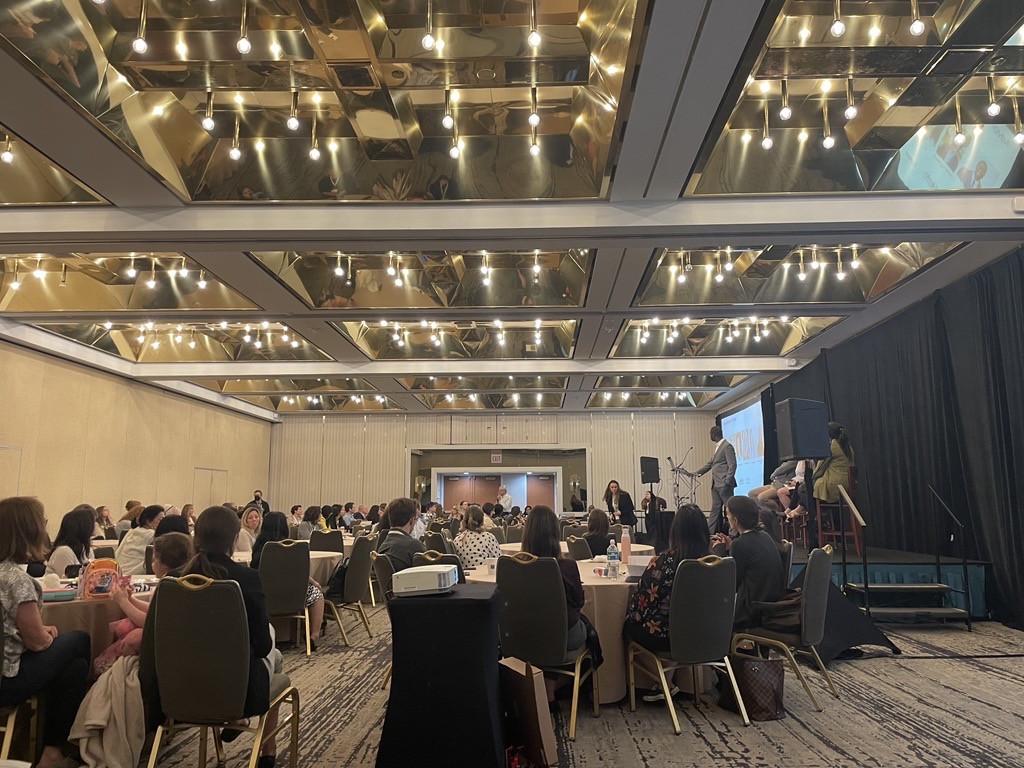
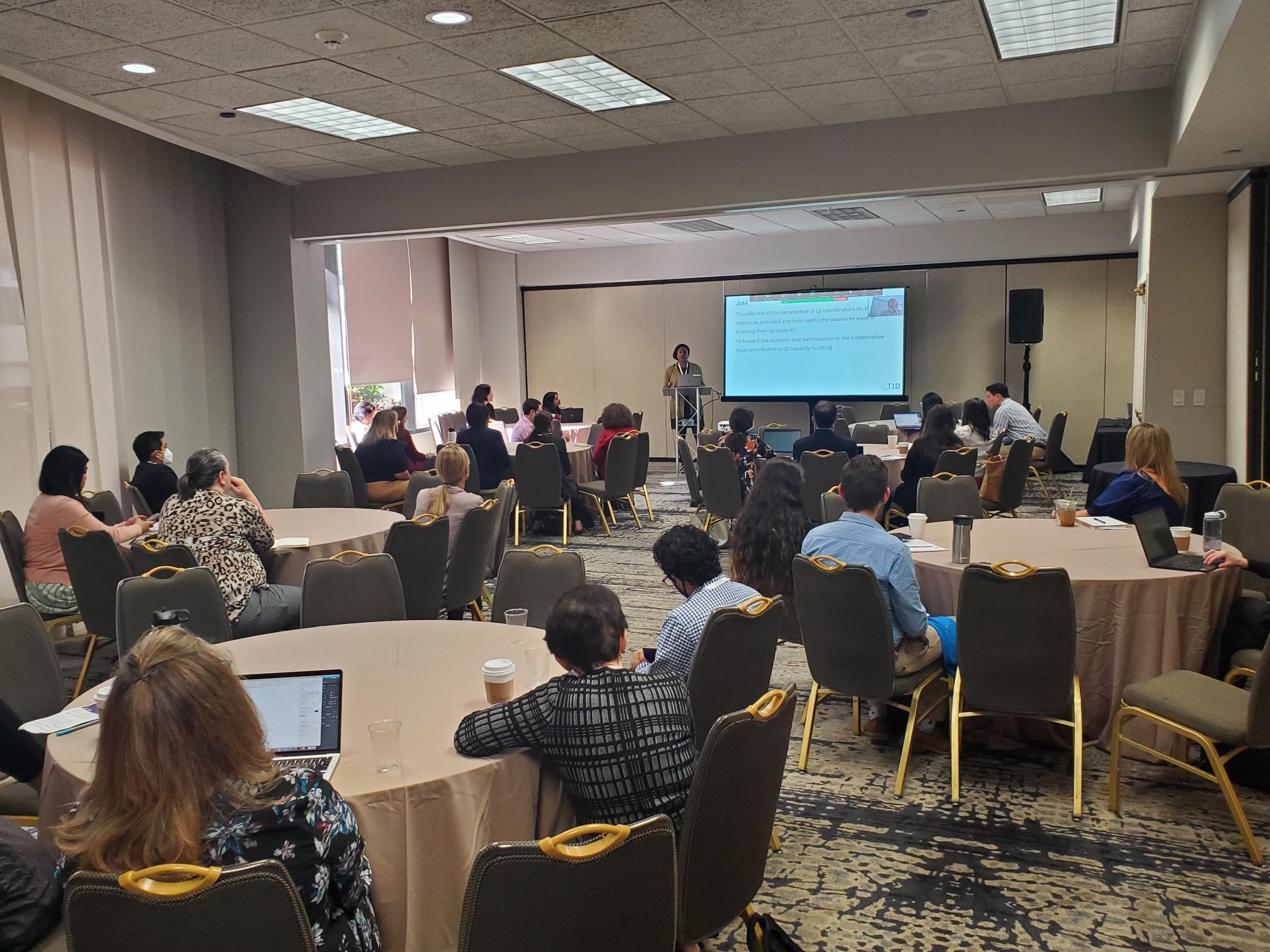
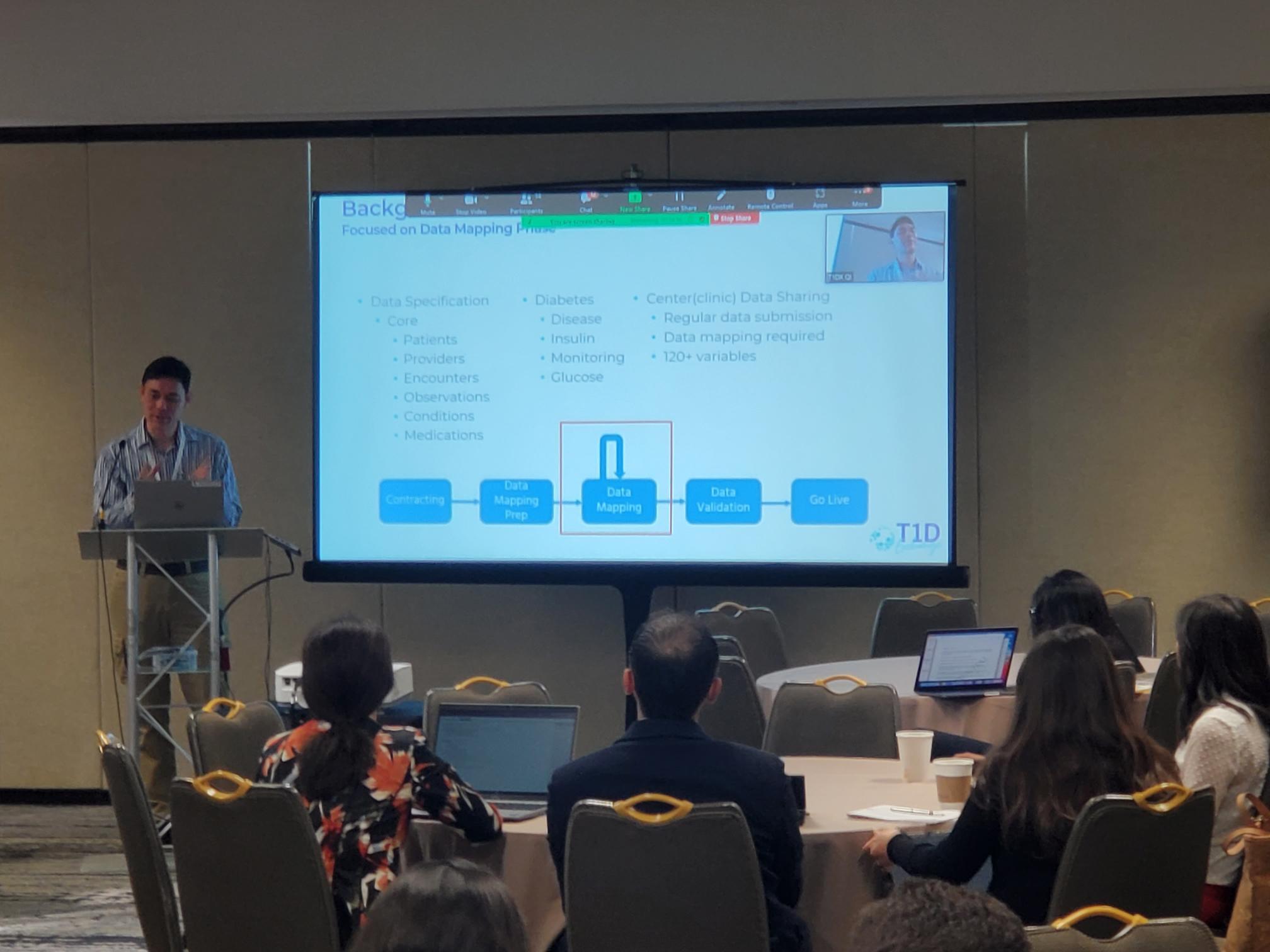
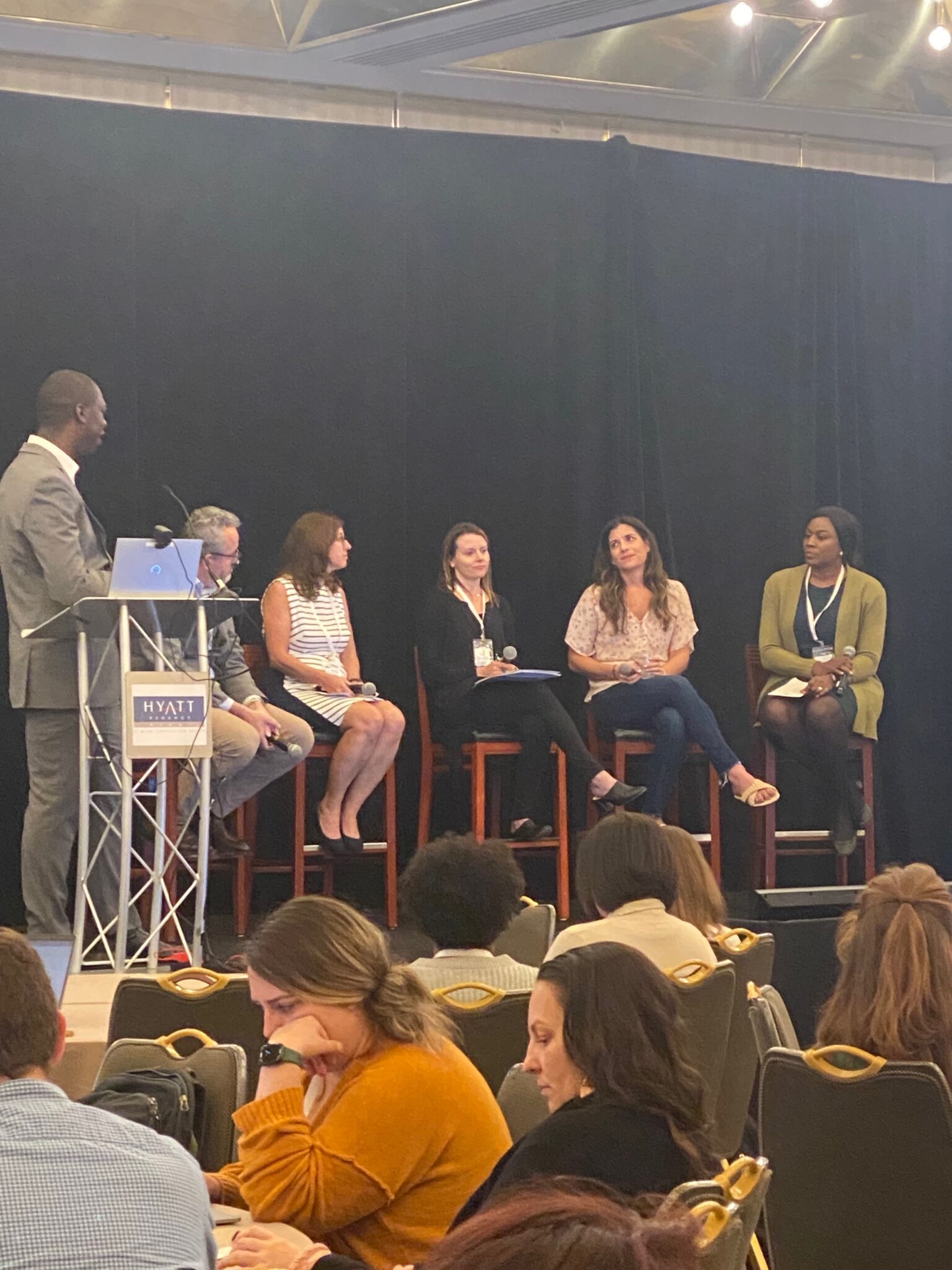
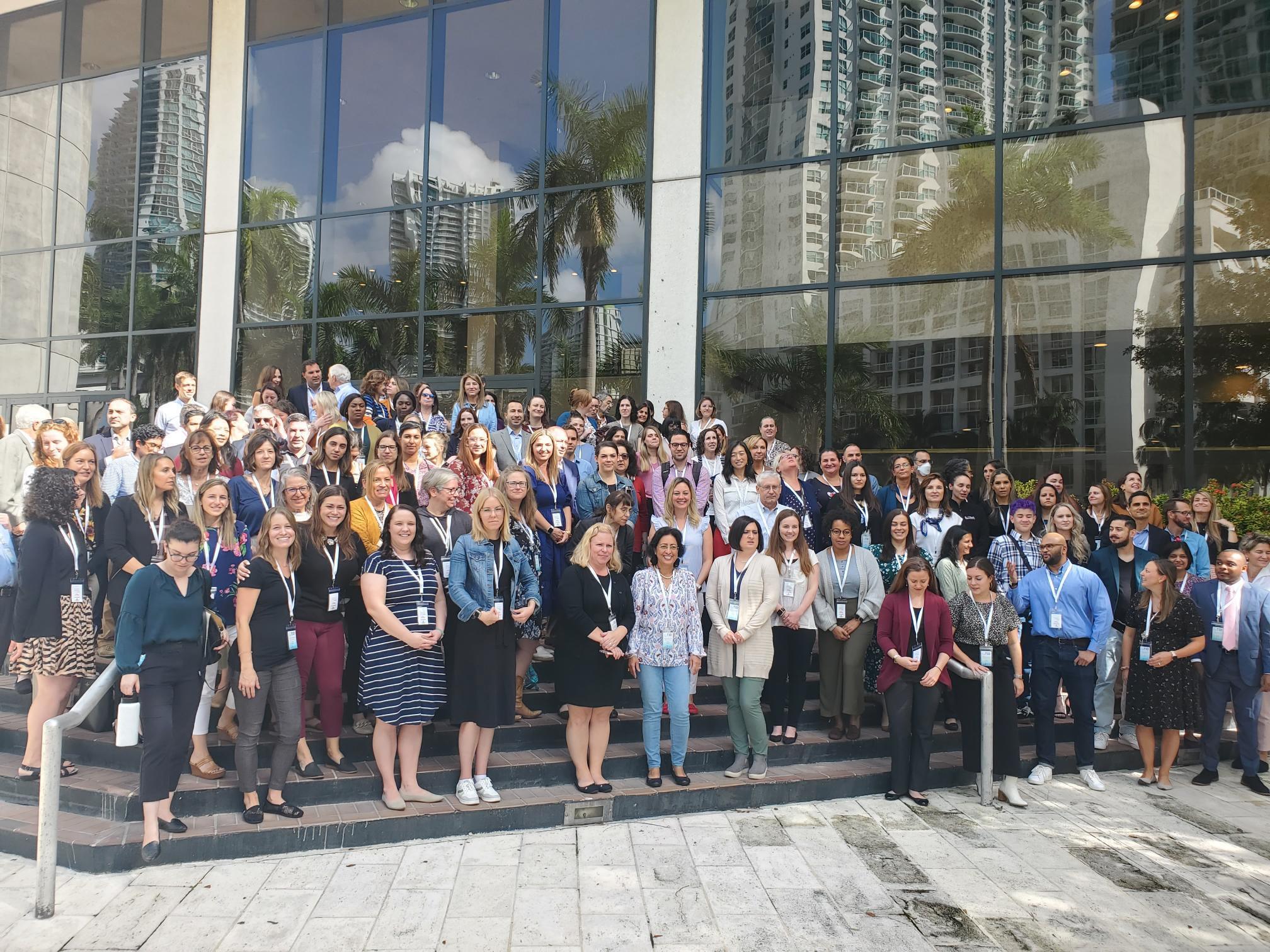
The T1D Exchange Quality Improvement Collaborative (T1DX-QI) Learning Session 2022 event takes place in Miami, FL, on November 7 and 8 — “T1DX-QI 52 Centers Strong: Implementation and Advocacy for Change.”
Members from 52 participating endocrinology clinics across the country come together to share insights on improving the care provided to people with diabetes — with the goal of improving quality of life and overall health.
Read Day 1 Session Highlights!
Here are highlights from presentations throughout Day 2 — review the full agenda here.
Presenter: Alberto Pugliese, MD
Arthur Riggs Diabetes and Metabolism Institute
Consultant for Provention Bio
Pugliese highlights the collaborative effort between nearly a dozen different research organizations that contribute to these advancements, including:
In most recent years, the ability to test for the T1D-related autoantibodies potentially years before symptoms develop offers the potential to delay the progression of the disease with developing therapies like teplizumab.
Screening pancreatic organ donors through nPod has contributed significantly to understandings about the progression of T1D but the research opportunity with any individual ends if/when that pancreas is harvested for donation.
TrialNet has also led the way in this research, with goals of delaying, preventing, and modifying the progression of T1D through intentional screening in specific populations:
TrialNet has organized research with sites throughout the U.S., Europe, and Australia since 2000. The 2021 launch of the JDRF’s T1Detect screening program has made screening more easily accessible to the general public.
Pugliese highlighted a 2022 study, Screening for Type 1 Diabetes in the General Population — this research has contributed significantly to identifying the “1 in 10,000 people” who will likely test positive for T1D. He also pointed to recent research on the impact of teplizumab that offered significant data on delaying the disease — An Anti-CD3 Antibody, Teplizumab, in Relatives at Risk of Type 1 Diabetes.
With more than a dozen extensive studies focused on T1D progression, the team effort within multiple levels of T1D research has illustrated the importance of collaboration. Pugliese emphasized the importance of this continued work with the goal of developing effective prevention and treatment strategies.
Presenter: Gajanthan Muthuvel, MD (virtual)
Cincinnati Children’s Hospital and University of Cincinnati
This research focused on making better use of the wealth of data in any given patient’s CGM and insulin pump to improve their HbA1c, time-in-range, and overall outcomes.
More than 80% of young people with T1D do not meet glycemic targets despite the advancements in diabetes technology available today. Meeting with providers once every three months with only so many minutes to sort through complex data isn’t effective.
With the implementation of an “enhanced care intervention” (ECI), patients and families can upload data on a monthly basis via Glooko to make effective adjustments in insulin doses with support from providers. DreamMed Advisor Pro supports this by aggregating and analyzing the data to support recommended adjustments and behavior modifications.
Patients ideal for ECI program include those who:
This clinic set a goal to enroll at least 100 patients into this ECI program within six months. ECI includes automated email reminders to upload data from your device to Glooko for providers to review. Recommended insulin adjustments are conveyed via Glooko app and electronic medical record messaging via MyChart).
Patient and family feedback about the ECI was overwhelmingly positive. Staff feedback was more mixed. The impact on overall blood sugar levels was not as significant as expected with very slight changes in HbA1c and time-in-range.
Presenter: Ashley Garrity, MPH
C.S. Mott Children’s Hospital and University of Michigan
The use of insulin pumps and continuous glucose monitors is increasing but patient-driven data review and insulin dose self-adjustments are still rare. This research aimed to better train patients and families on analyzing their data and making more frequent insulin adjustments.
To develop this training program, an interdisciplinary team is required:
Segments of the training program included:
Through August 2022, 155 pediatric diabetes patients and families attended training. The average reduction in HbA1c was .42%. The reduction was higher for patients with starting HbA1cs above 9.0%. The D3 Education Program proved to be a powerful and effective method of increasing a patient or family’s ability to review their own diabetes data and make thoughtful adjustments.
Presenter: Carla Demeterco-Berggren, MD, MPH
Rady Children’s Hospital and University of California, San Diego
Using electronic health records, they identified patients with Medicaid, identifying these ethnicities and racial groups:
Interventions to increase clinic visit frequency include:
This study is ongoing and has not collected results at this time.
Presenter: Andie Kaminsky, RN, BSN, CPN, CDCES
Children’s Mercy Hospital and Kansas University School of Medicine
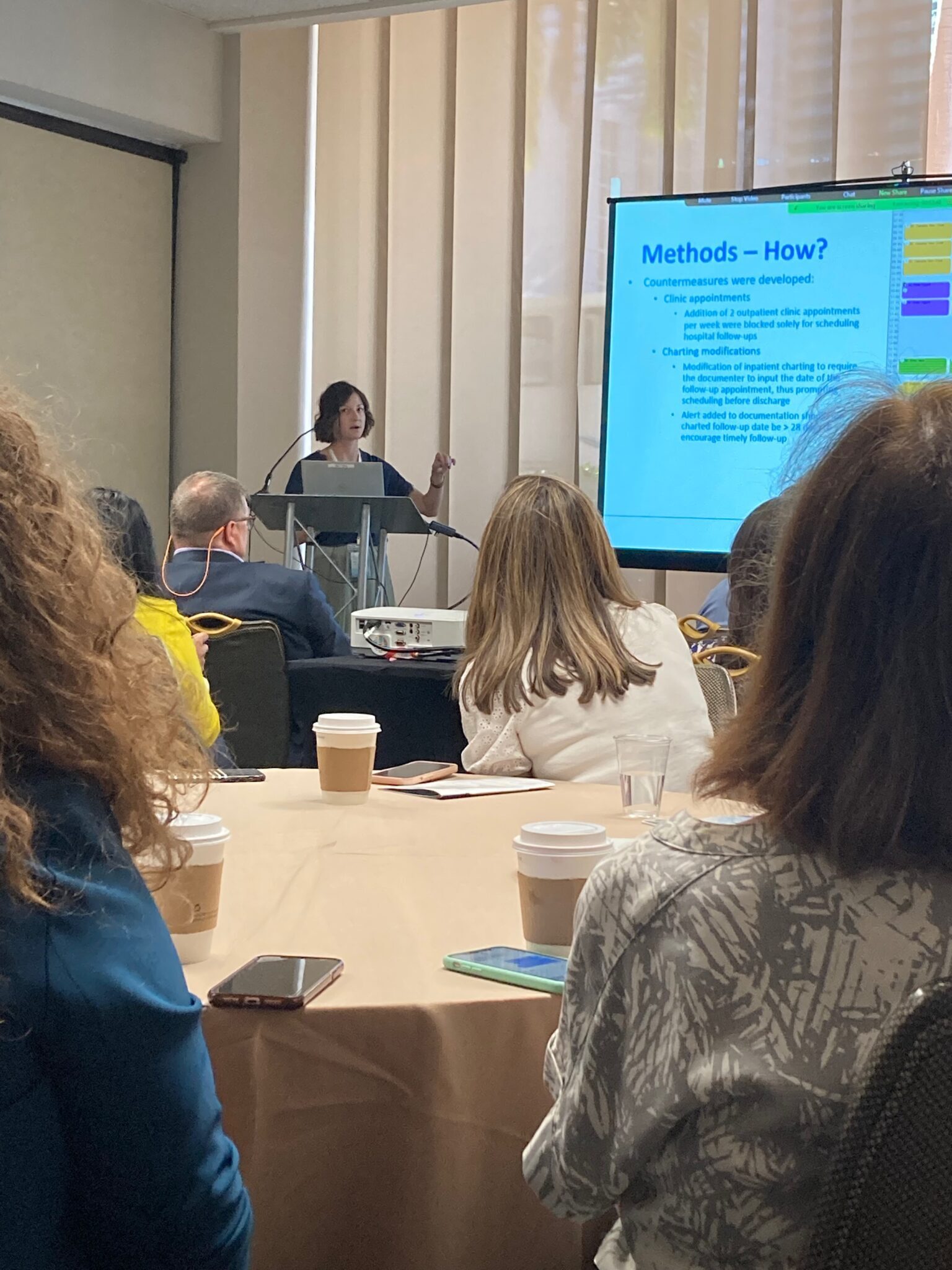
This research focused on the goal of effectively following-up with pediatric patients hospitalized for DKA within one month of being discharged from Children’s Mercy Diabetes Center.
When reviewing the existing DKA-admission and follow-up process, the most likely failure to schedule follow-up was in the discharge paperwork. Too often, discharge paperwork includes no firm data and time for an appointment. Diabetes educators are often left with the burden of ensuring this appointment is eventually established.
Proposed ideal process:
When tested, this proposed process decreased the percentage of missed follow-up appointments from 52% to 35% within 12 weeks of implementation. 80% of patients successfully showed up to their follow-up appointments.
Presenter: Pediatric Diabetes Program, Roberto Izquierdo, MD
Upstate Golisano Children’s Hospital, Josline Diabetes, and Upstate Medical University
Pediatric DKA admissions have risen by 40% in the US with the most vulnerable groups at the highest risk. This research focused on reducing DKA admissions in pediatric patients with T1D through the Diabetes Wellness Program (DWP).
For patients ages 8 to 21 years old with multiple DKA admissions, the following process taking place over the course of six weekly phone calls is proposed:
77% of the participants who completed this program significantly improved their quality-of-life scores based on results from the pre- and post-admission surveys.
100% of participants reported that the DWP helped them:
This program is proving effective in reducing DKA hospitalizations.
Presenter: Jeniece Ilkowitz, RN, MA, CDCES
Hassenfeld Children’s Hospital and Pediatric Diabetes Center at NYU Langone
This research focused on the efficacy of a 6-month Diabetes Wellness Program (WPD) specifically for pediatric patients with HbA1c levels over 9%.
Initial research revealed:
Details of the DWP for pediatric patients with HbA1c over 9% include:
82 participants with HbA1cs over 9% were enrolled in the DWP.
Results after 6-months in the DWP include:
This program is proving effective in reducing HbA1c levels.
Presenter: Faisal Malikd, MD, MSHS, Sarah Corathers, MD
Seattle Children’s Research Institute and University of Washing School of Medicine
Cincinnati Children’s Hospital and University of Cincinnati Department of Pediatrics
With the goal of transitioning pediatric patients with T1D to adult diabetes care, this research aimed to identify a successful timeline and necessary support. This is a critical timeframe when patient care can suffer due to a lack of transition support and process.
Depending on the patient’s individual diabetes education and management habits, this transition can begin anywhere between 14 to 21 years old, based on success from the Adolescent and Young Adult Diabetes (AYA) program from University of Washington State School of Medicine (UWMDI).
Factors to consider throughout the transition of pediatric to adult care include:
The providers on any successful transition team should include:
The AYA program proposes using their Diabetes Program Registry READDY questionnaire to assess readiness and monitor the transition process for every patient.
Presenters: Nudrat Noor, PhD, MPH, Mark Clements, MD, PhD, and Francisco Pasquel, MD, MPH (virtual)
Children’s Mercy Kansas City Hospital and University of Missouri-Kansas City School of Medicine
This research focused on the impact of diabetes technology on HbA1c levels and time-in-range (TIR). Cohort details include:
HbA1c levels correlate closely with the “Six Habits” of diabetes self-management:
The average HbA1c of patients engaged in all six habits = 8%. Patients with the fewest habits had average HbA1c levels around 12%.
Presenter: Francisco J. Pasquel, MD, MPH
Emory University School of Medicine
This research focused on a proposed method of using CGM technology and computerized insulin infusion in patients hospitalized with COVID-19 to better monitor blood sugar levels while reducing patient contact between the nursing staff. This also reduced the need for nurses to prepare with PPE gear before entering the patient’s room and reduced their risk of contracting COVID-19.
Implementing this concept requires the following:
Summary reports can be easily pulled for any individual patient through Dexcom Clarity to review time-in-range, standard deviation, etc.
This concept achieves the following benefits to both the patient and healthcare team:
This concept can be implemented rapidly during emergency situations, like COVID-19, in a collaborative environment.